
Audio Translate English To Italian
Why Audio Translate English To Italian is so hard to get right
Audio Translate English To Italian presents significant challenges due to various factors inherent to audio translation processes. Firstly, the nuances of spoken language, including accents, intonations, and cultural references, can significantly alter meaning and make direct translation problematic. Additionally, the varying contexts and uses of words in different dialects may lead to misinterpretations if not handled by a skilled translator who understands both languages deeply. Furthermore, idiomatic expressions common in English often do not have direct equivalents in Italian, requiring translators to creatively rephrase content while retaining its original intent. Technical difficulties also arise from audio quality, where background noise or overlapping speech can obscure meaning and hinder accurate translation. Finally, the necessity of synchronizing translated audio with the original material while maintaining speaker emotions and pacing adds another layer of complexity, making it difficult to deliver a seamless translation that resonates with Italian audiences.
How Audio Translate English To Italian works
Users can utilize Unifire for their translation needs, particularly with the feature “Audio Translate English To Italian.” This allows individuals to convert spoken English into written Italian seamlessly. By employing advanced text generation capabilities, Unifire helps users accurately capture the essence of their audio content, ensuring that nuances and context are preserved during the translation process. This feature is particularly beneficial for travelers, educators, and business professionals seeking to communicate effectively in Italian. By simply uploading their audio recordings, users can receive timely and precise translations that facilitate better understanding and connections in various conversational settings. Whether for personal or professional use, Unifire serves as a valuable tool for bridging language barriers through audio translation.
Users are drawn to the functionality of Audio Translate English to Italian for several compelling reasons. Primarily, this tool serves as a bridge for effective communication, allowing individuals who speak different languages to understand and engage with each other seamlessly. For travelers, it enhances their experiences in Italy by enabling them to converse with locals, navigate through new environments, and appreciate cultural nuances without the barrier of language. Similarly, business professionals utilize this translation service to facilitate international collaborations, ensuring that critical information is accurately conveyed across language divides, thereby fostering stronger partnerships. Additionally, students and language learners benefit from instant audio translations as it helps them grasp pronunciation and context, aiding in their language acquisition process. Overall, the convenience and efficiency of translating audio from English to Italian empower users to connect, learn, and communicate more effectively in an increasingly globalized world.
Unifire combines transcription, translation and AI content generation
Unifire combines a beautiful AI writer with the best transcription service, translation workflows and AI content templates. Start with Audio Translate English To Italian and level up with Unifire.ai
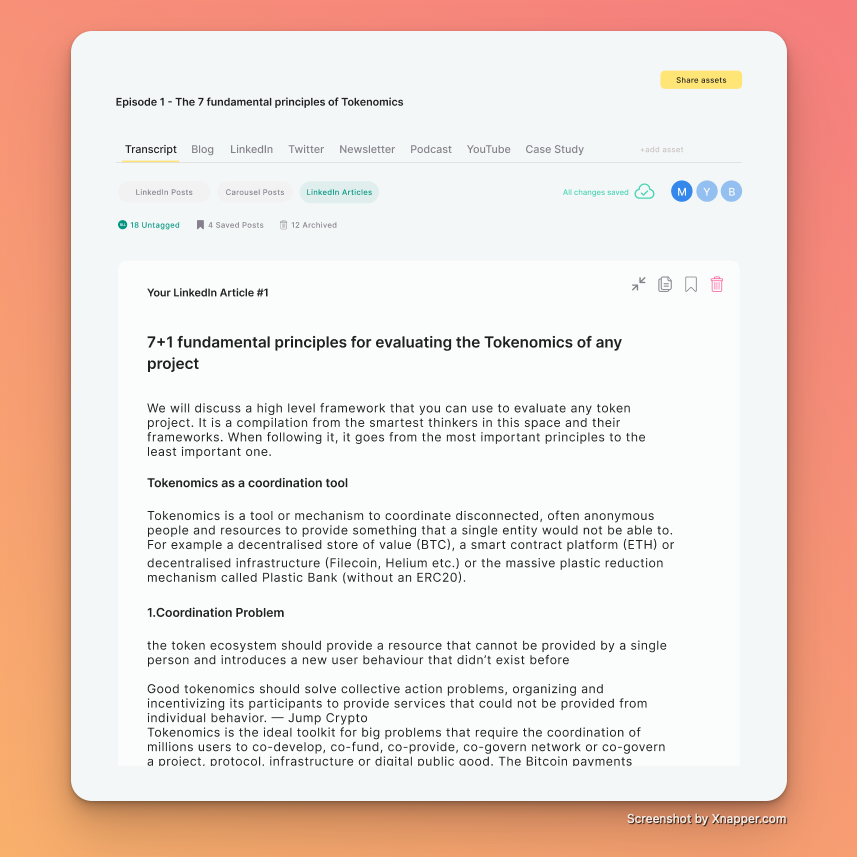
An ultra-powerful AI writer
Summarise, extend, shorten and whatever you can imagine with our powerful AI editor. You can work with your content with maximum efficiency and full collaboration.
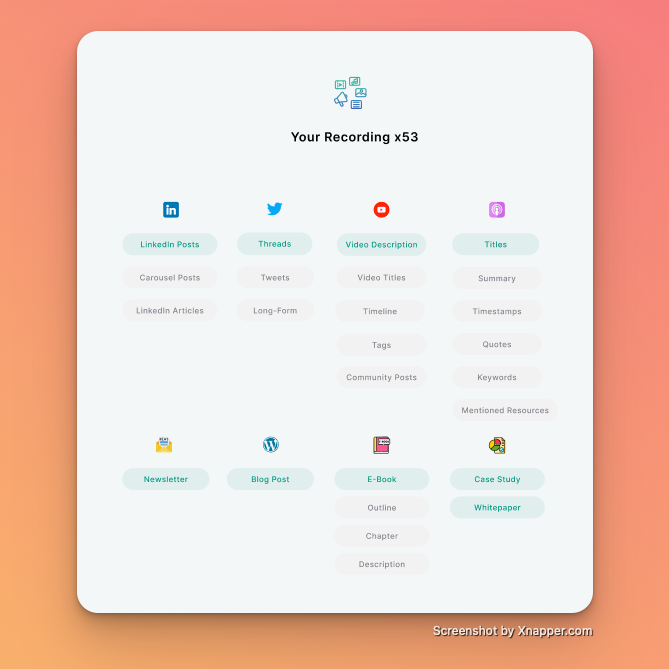
32 different output formats
With Unifire, you can turn and repurpose anything into anything. One audio recording can become an e-book, 40 LinkedIn posts, an email newsletter, a lead magnet, or every Twitter asset with one click of a button.
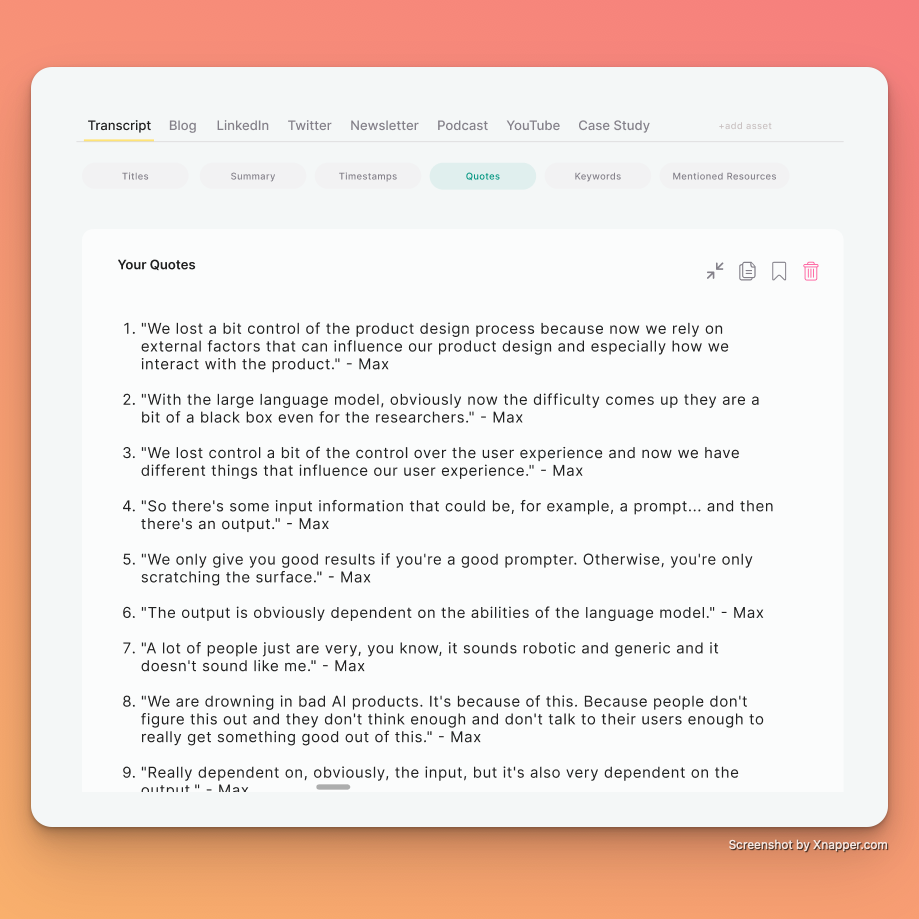
Build for your entire team
Unifire comes with unlimited team members, workspaces, collaborative live editing and double backups for all your content.
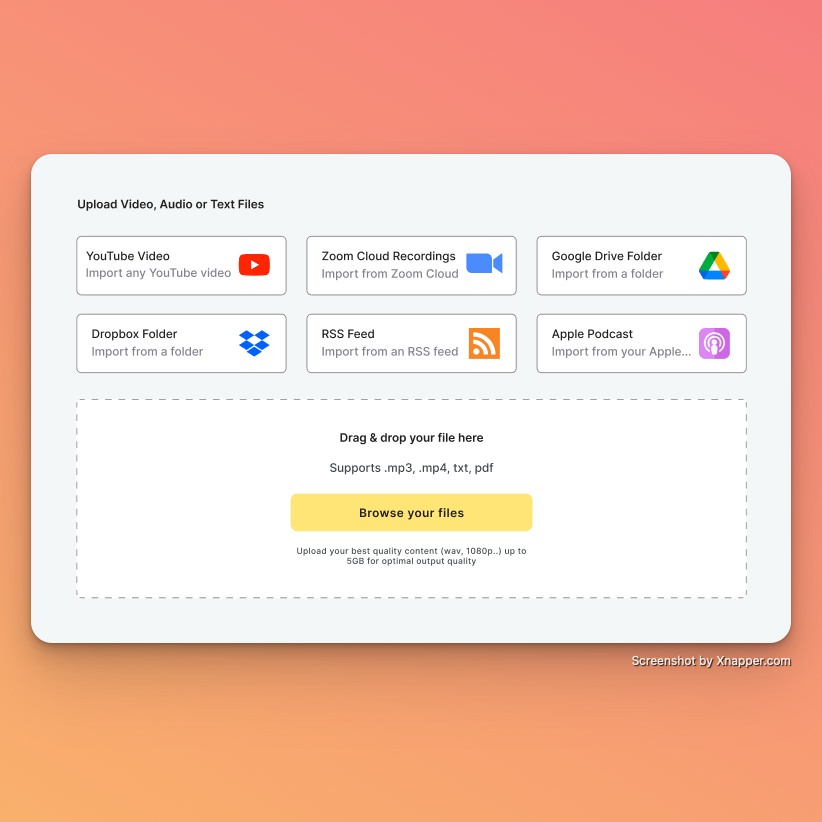
Upload any formats you can imagine
You can feed Unifire audio recordings, videos, webinars, transcripts, documents and PDFs. Everything can be repurposed.