
Audio Translate English To Portuguese
Why Audio Translate English To Portuguese is so hard to get right
Audio Translate English To Portuguese can be particularly challenging due to several inherent complexities of audio translation. Firstly, the nuances of spoken language, including accent, intonation, and rhythm, play a crucial role in conveying meaning, which may not be easily captured in a straightforward translation. Additionally, idiomatic expressions and cultural references unique to English may not have direct equivalents in Portuguese, necessitating creative reinterpretation to maintain the original message’s intent and tone. Furthermore, the quality of audio files can affect translation accuracy, with background noise and overlapping speech complicating the listener’s ability to discern words clearly. Different dialects and variations in Portuguese also introduce another layer of complexity, as a phrase appropriate in Brazilian Portuguese might vary significantly in European Portuguese. Finally, the process of synchronizing translated text with audio for applications like dubbing or subtitling adds a logistical dimension, requiring not just linguistic skills but also an understanding of timing and pacing, making the overall task of audio translation a multifaceted challenge.
How Audio Translate English To Portuguese works
Unifire serves as a valuable tool for users looking to Audio Translate English To Portuguese seamlessly. By leveraging its text generation capabilities, individuals can create contextual audio scripts that make it easier to convert English messages into Portuguese audio formats. This functionality is especially beneficial for educators, content creators, and businesses aiming to reach Portuguese-speaking audiences, providing them with the ability to produce accurate and culturally relevant translations. Whether for creating voiceovers, translating podcasts, or enhancing communication in multilingual environments, Unifire ensures that users can effectively bridge the language gap while maintaining clarity and intent in their audio presentations.
Users engage with the “Audio Translate English To Portuguese” functionality to effectively bridge language barriers in both personal and professional contexts. For individuals traveling to Portugal or Brazil, this tool enhances their ability to communicate with locals, navigate various environments, and immerse themselves in the culture, ensuring a more rewarding experience. In business settings, professionals utilize this functionality to facilitate meetings, presentations, and negotiations, allowing for seamless collaboration with Portuguese-speaking counterparts. Furthermore, educators and students benefit from this tool in academic settings, as it aids in the comprehension of educational materials and promotes language learning. By enabling clear and accurate translation of spoken English into Portuguese, this functionality empowers users to connect meaningfully and foster understanding across linguistic divides, enriching interactions in diverse scenarios.
Unifire combines transcription, translation and AI content generation
Unifire combines a beautiful AI writer with the best transcription service, translation workflows and AI content templates. Start with Audio Translate English To Portuguese and level up with Unifire.ai
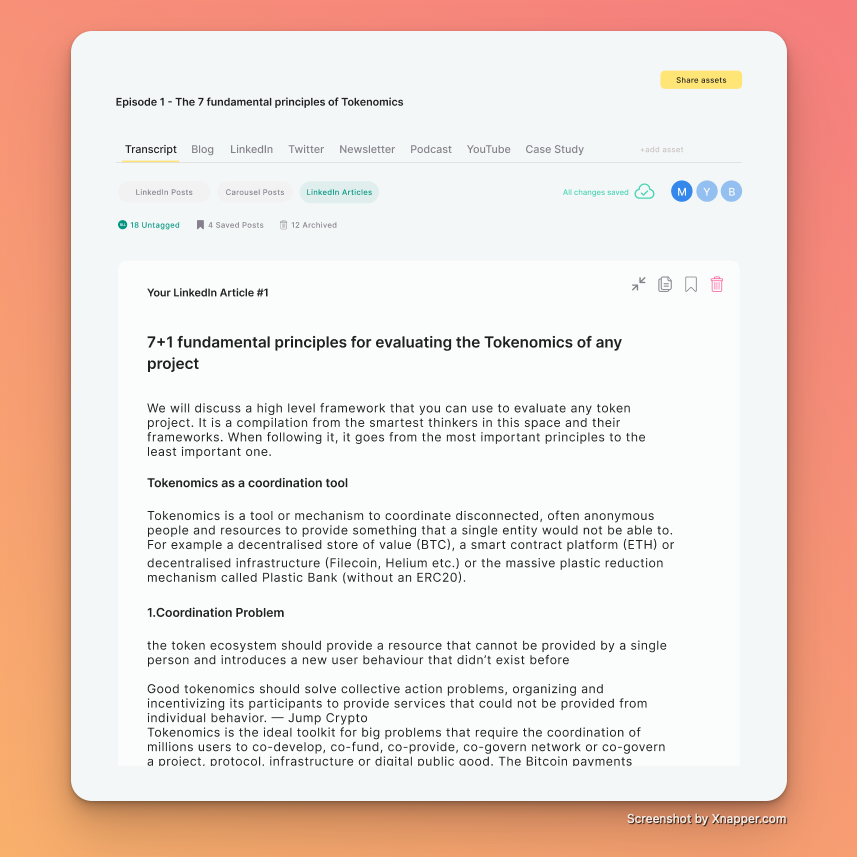
An ultra-powerful AI writer
Summarise, extend, shorten and whatever you can imagine with our powerful AI editor. You can work with your content with maximum efficiency and full collaboration.
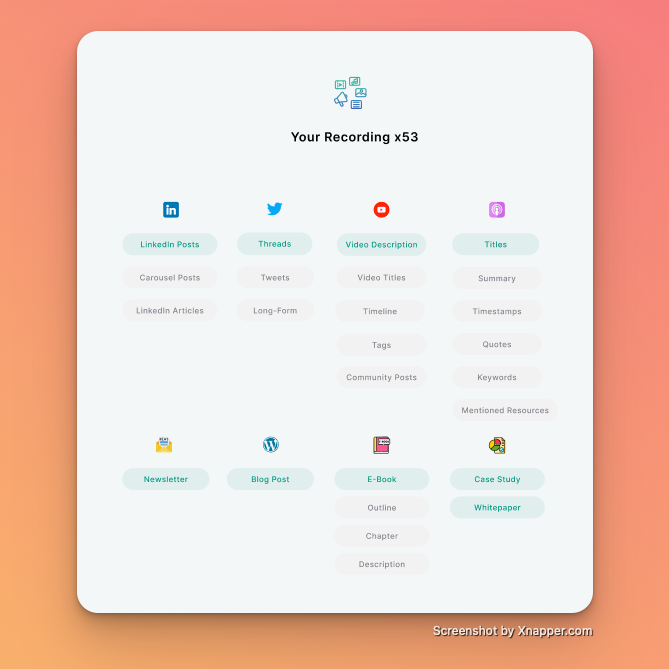
32 different output formats
With Unifire, you can turn and repurpose anything into anything. One audio recording can become an e-book, 40 LinkedIn posts, an email newsletter, a lead magnet, or every Twitter asset with one click of a button.
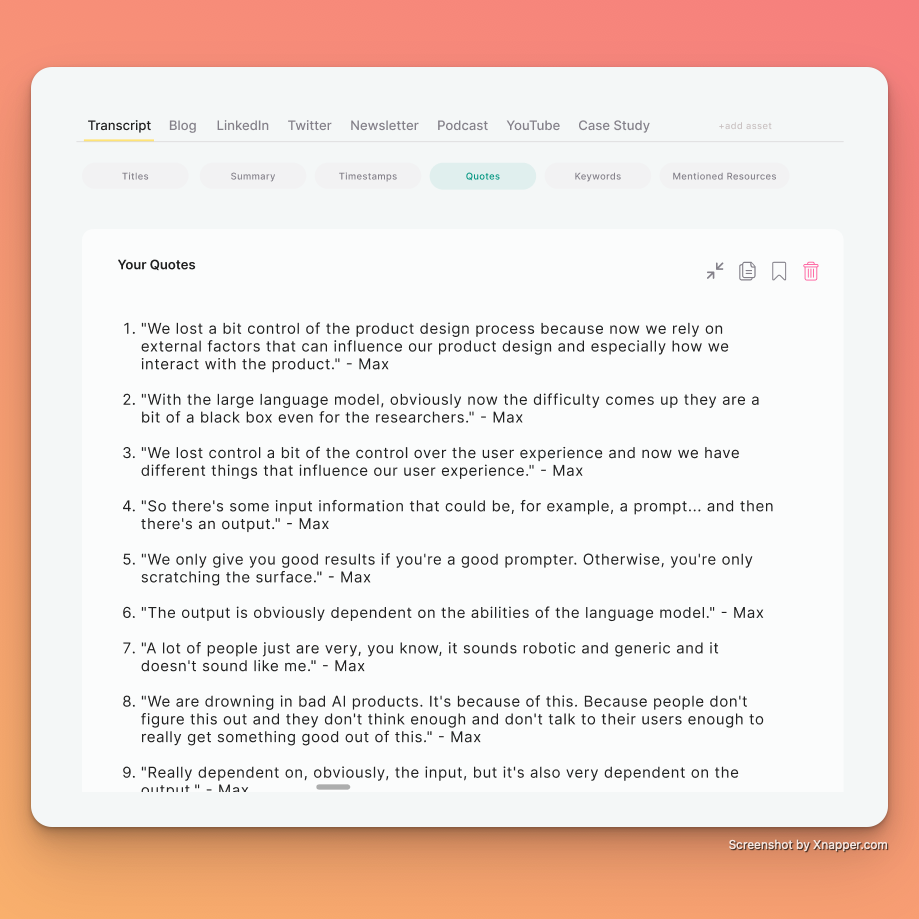
Build for your entire team
Unifire comes with unlimited team members, workspaces, collaborative live editing and double backups for all your content.
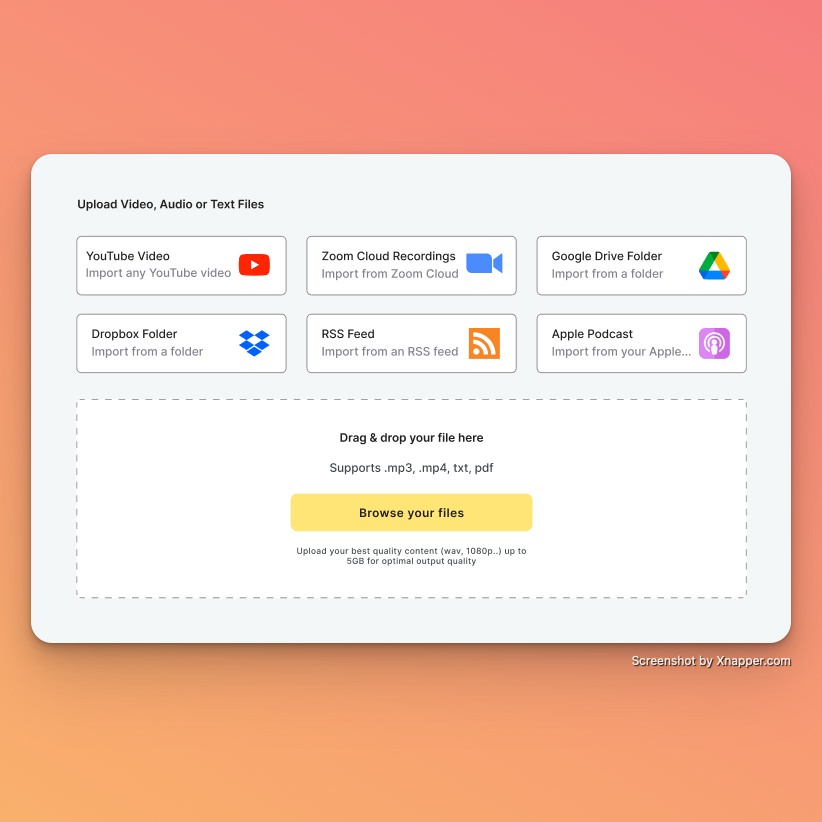
Upload any formats you can imagine
You can feed Unifire audio recordings, videos, webinars, transcripts, documents and PDFs. Everything can be repurposed.