
Audio Translate Japanese To English
Why Audio Translate Japanese To English is so hard to get right
Audio Translate Japanese To English presents significant challenges due to the inherent complexities of language structures, cultural nuances, and the nature of audio content itself. First and foremost, Japanese and English are linguistically distinct, with differing grammar, syntax, and vocabulary, making direct translation often inadequate. Additionally, audio formats frequently contain subtleties such as tone, intonation, and context, which can convey meanings or emotions that are difficult to capture in written translations. Moreover, idiomatic expressions and colloquialisms prevalent in Japanese may lack equivalents in English, requiring not just translation but also localization to ensure the intended message resonates with English-speaking audiences. Furthermore, acoustic elements like background noise, speaker accents, and overlapping dialogues can complicate transcription efforts, leading to potential inaccuracies in translation. This combination of linguistic and technical challenges emphasizes the intricacy of translating audio content from Japanese to English effectively, demanding not only linguistic proficiency but also a deep understanding of both cultures.
How Audio Translate Japanese To English works
Unifire offers users the capability to seamlessly execute audio translate Japanese to English, making it an invaluable tool for those in need of accurate translations. Whether you are a student striving to comprehend Japanese lectures, a business professional aiming to engage in cross-cultural conversations, or a traveler seeking to understand local audio content, Unifire simplifies the process. By converting spoken Japanese into English text, it ensures that users can grasp important information without language barriers. This service is especially useful for individuals who prefer auditory learning or require translations from audio files such as podcasts, interviews, or videos. With Unifire, the daunting task of translating spoken Japanese into English becomes straightforward and accessible, enhancing communication and understanding in various contexts.
Users utilize the “Audio Translate Japanese To English” functionality primarily to bridge the language barrier that often exists in communication between Japanese and English speakers. This tool is particularly beneficial for travelers, students, and professionals who need to understand spoken Japanese in real-time while engaging in conversations, attending meetings, or participating in cultural exchanges. It empowers users to grasp the nuances of the spoken language, ensuring that they accurately interpret the meaning and context of dialogues, thereby enhancing their ability to interact effectively in various situations. Additionally, this functionality aids in educational settings, where learners can listen to authentic Japanese audio and receive translations, facilitating a deeper understanding of the language’s structure and usage. Overall, this tool serves as a valuable resource for enhancing communication and fostering cross-cultural connections.
Unifire combines transcription, translation and AI content generation
Unifire combines a beautiful AI writer with the best transcription service, translation workflows and AI content templates. Start with Audio Translate Japanese To English and level up with Unifire.ai
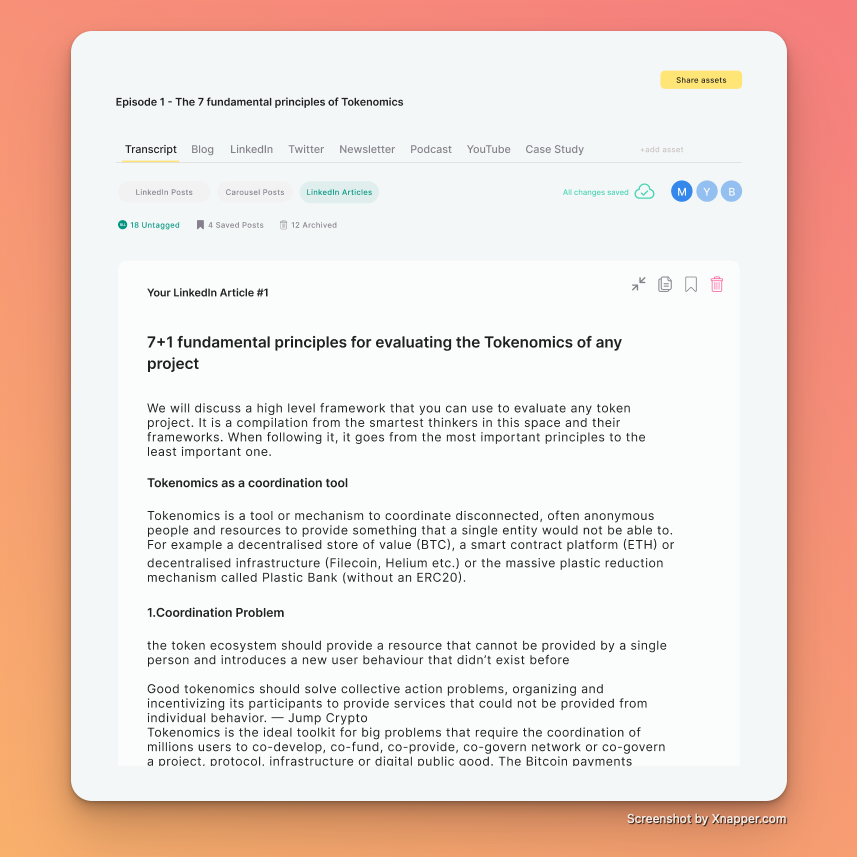
An ultra-powerful AI writer
Summarise, extend, shorten and whatever you can imagine with our powerful AI editor. You can work with your content with maximum efficiency and full collaboration.
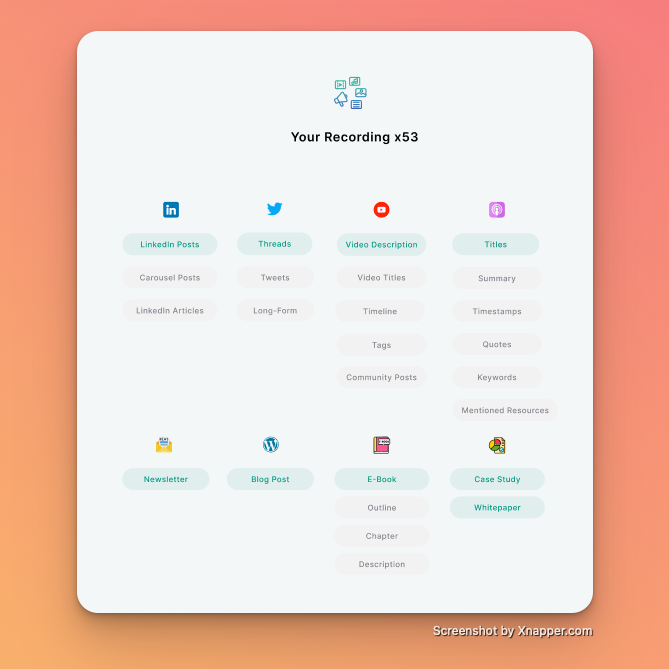
32 different output formats
With Unifire, you can turn and repurpose anything into anything. One audio recording can become an e-book, 40 LinkedIn posts, an email newsletter, a lead magnet, or every Twitter asset with one click of a button.
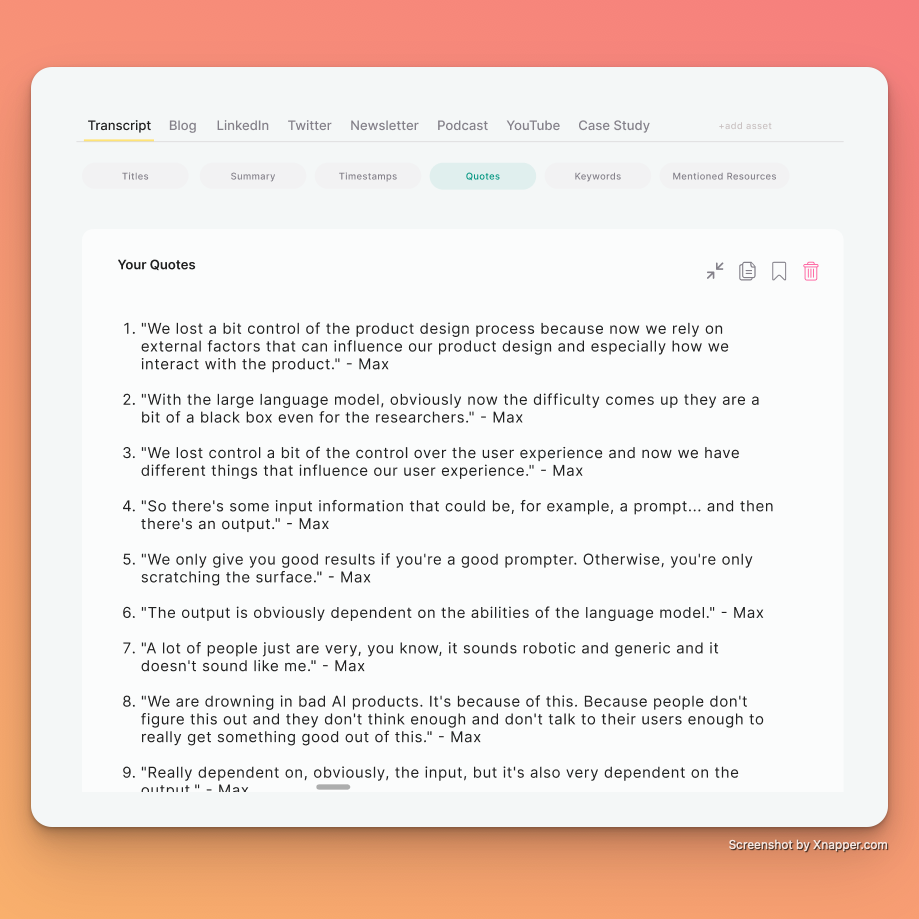
Build for your entire team
Unifire comes with unlimited team members, workspaces, collaborative live editing and double backups for all your content.
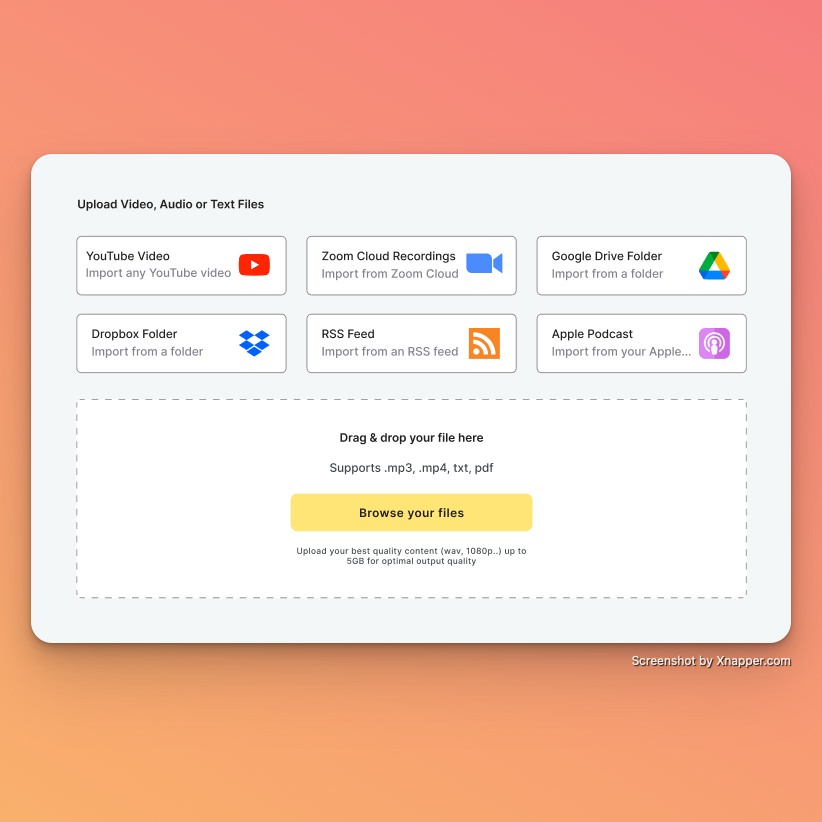
Upload any formats you can imagine
You can feed Unifire audio recordings, videos, webinars, transcripts, documents and PDFs. Everything can be repurposed.