
Korean Audio To Text
Why Korean Audio To Text is so hard to get right
Korean Audio To Text translation presents significant challenges due to the intricacies of the Korean language, which is characterized by its unique script (Hangul), complex honorifics, and context-dependent nuances. The phonetic nature of Korean makes it difficult for audio recognition systems to accurately capture spoken language, especially when dealing with various dialects and accents. Moreover, Korean’s subject-object-verb sentence structure contrasts sharply with the subject-verb-object order of many other languages, complicating direct translations. Additionally, the subtleties of informal versus formal speech can lead to misinterpretations if not properly accounted for, as these distinctions are often lost in automated transcription processes. The presence of cultural references, idiomatic expressions, and multi-syllabic words further complicates translation efforts, as they can lack direct equivalents in other languages. Therefore, the task of converting Korean audio to accurate text translations in another language is fraught with difficulties that require not only linguistic knowledge but also a deep understanding of cultural context and semantics.
How Korean Audio To Text works
Unifire offers users an efficient solution for converting spoken Korean audio into written text, making it an invaluable tool for various needs. Whether for transcribing interviews, generating subtitles for video content, or facilitating better communication in multilingual settings, the ability to transform audio into text streamlines many processes. This functionality is particularly beneficial for content creators, educators, and businesses that require accurate documentation of spoken Korean. By harnessing the power of Unifire, users can easily access and edit the generated text, ensuring clarity and precision in their written communication. The straightforward interface enhances the user experience, allowing individuals to focus on their content without the hassle of manual transcription.
Users leverage the functionality of Korean Audio to Text primarily for the convenience and efficiency it offers in transcribing spoken Korean into written form. This is particularly valuable for students, professionals, and researchers who need accurate documentation of spoken language for study or analysis. By converting audio content into text, users can easily create transcripts of lectures, meetings, interviews, or casual conversations, facilitating better comprehension and review. Additionally, this functionality aids in accessibility, allowing those who are deaf or hard of hearing to engage with spoken Korean content. Moreover, businesses benefit by ensuring clear communication across diverse teams and by maintaining accurate records of communications. The ability to convert Korean audio into text minimizes the time spent on manual transcription, thereby enhancing productivity and fostering more effective information sharing. Overall, this tool serves as a vital resource for anyone looking to bridge the gap between spoken and written Korean.
Unifire combines transcription, translation and AI content generation
Unifire combines a beautiful AI writer with the best transcription service, translation workflows and AI content templates. Start with Korean Audio To Text and level up with Unifire.ai
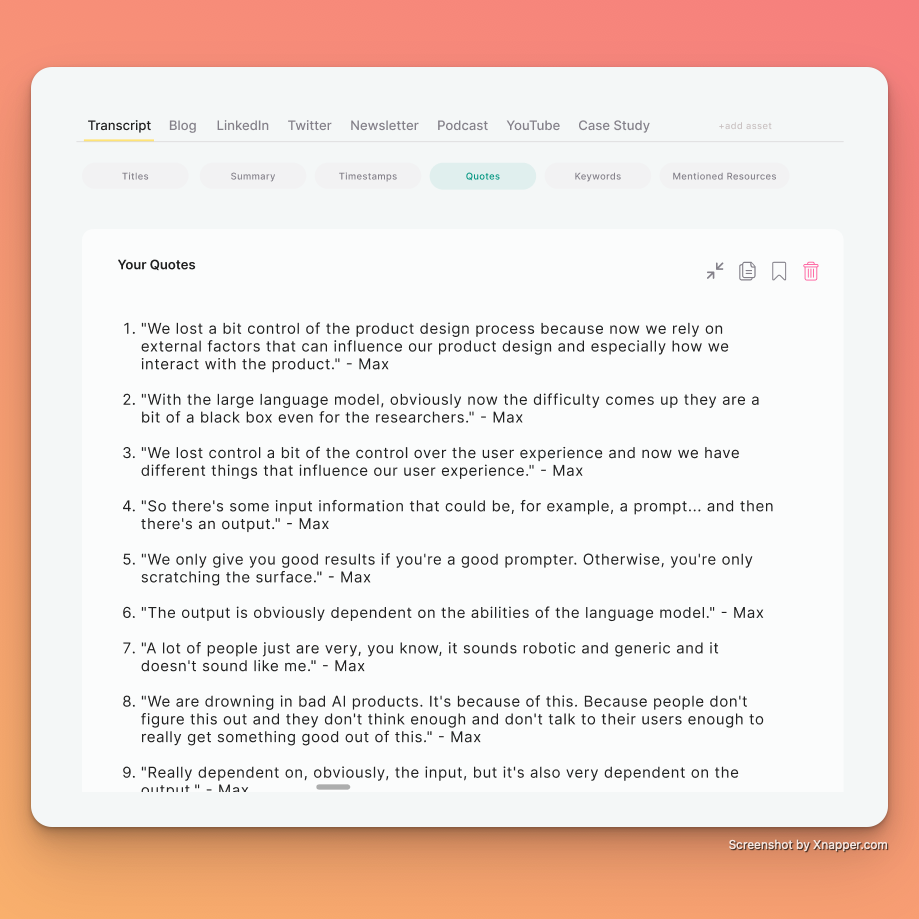
An ultra-powerful AI writer
Summarise, extend, shorten and whatever you can imagine with our powerful AI editor. You can work with your content with maximum efficiency and full collaboration.
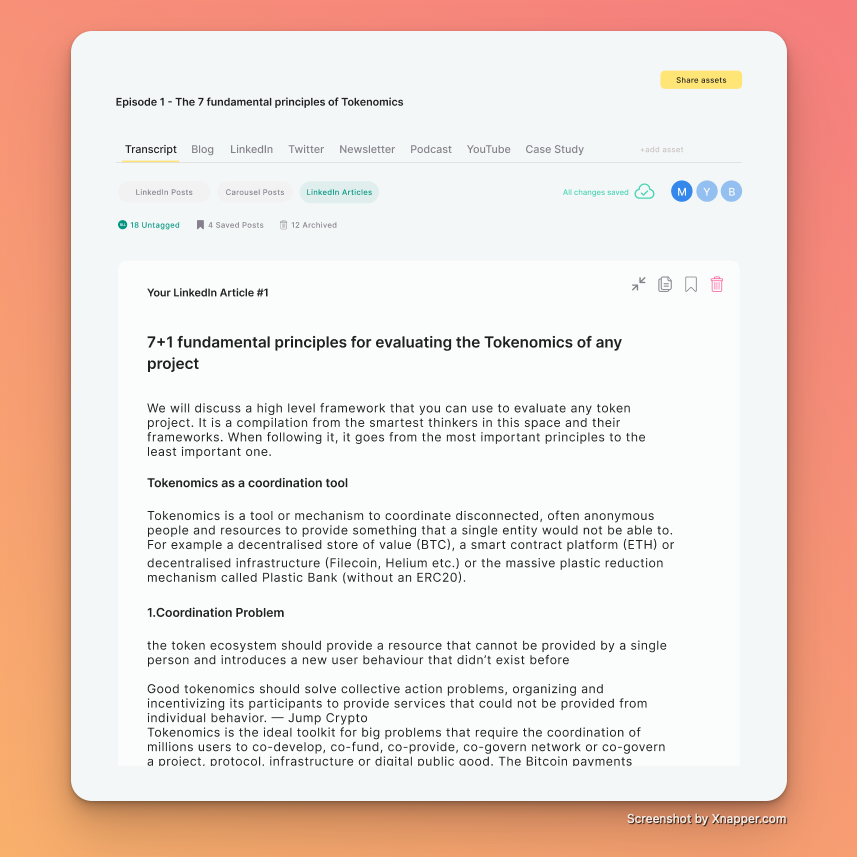
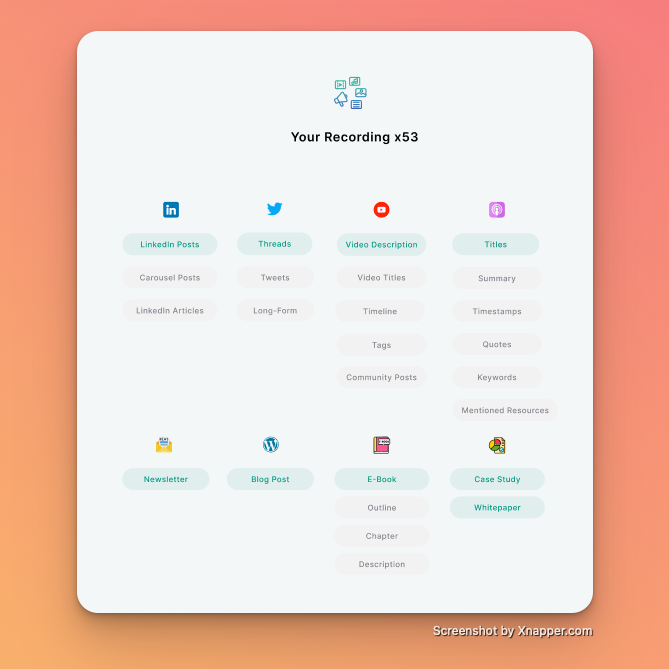
32 different output formats
With Unifire, you can turn and repurpose anything into anything. One audio recording can become an e-book, 40 LinkedIn posts, an email newsletter, a lead magnet, or every Twitter asset with one click of a button.
Build for your entire team
Unifire comes with unlimited team members, workspaces, collaborative live editing and double backups for all your content.
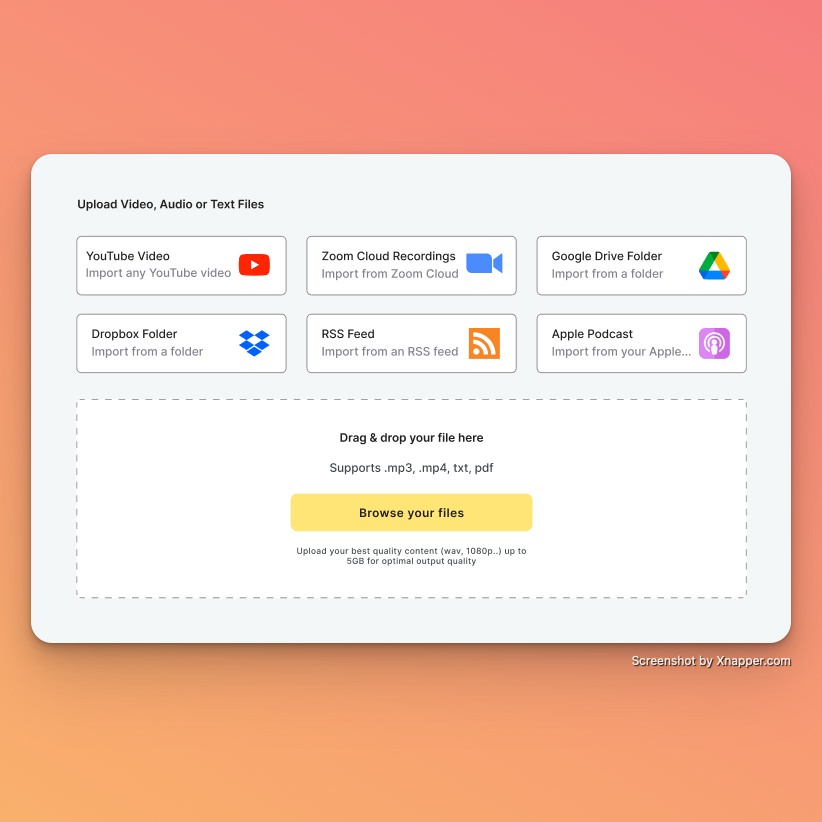
Upload any formats you can imagine
You can feed Unifire audio recordings, videos, webinars, transcripts, documents and PDFs. Everything can be repurposed.