
Speech To Text Korean
Why Speech To Text Korean is so hard to get right
Speech To Text Korean presents a significant challenge in translation due to the intricate nature of the Korean language and its phonetic structure. Korean relies heavily on contextual nuances, idiomatic expressions, and a rich array of formal and informal speech variations, making it difficult to accurately capture the intended meaning of spoken words when converting them to text. Additionally, the diverse accents and dialects across different regions further complicate transcription efforts, as variations in pronunciation can lead to misinterpretation if not properly accounted for in the translation process. Furthermore, the absence of direct equivalents for certain concepts in both languages can result in an incomplete or inaccurate representation of the original speech. The complexity of integrating these elements into a cohesive and coherent text also poses technological challenges, as current speech recognition systems may struggle to keep pace with the rapid evolution of language and slang in contemporary society. Thus, ensuring a high-quality Speech To Text Korean translation requires not only advanced algorithms but also a deep understanding of cultural and linguistic subtleties, which complicates the translation process significantly.
How Speech To Text Korean works
With Unifire, users can harness the power of Speech To Text Korean to effortlessly transcribe spoken Korean language into written text. This innovative tool is perfect for students, educators, and professionals who need to convert audio recordings, lectures, or conversations into accurate written form. By utilizing Unifire’s advanced capabilities, users can streamline their note-taking process, enhance their learning experience, or create accessible content from spoken material. Whether for personal projects, academic research, or business communications, the Speech To Text Korean feature of Unifire provides a reliable solution for generating high-quality text from verbal input, making it an invaluable resource for anyone working with the Korean language.
Users turn to Speech To Text Korean for a variety of compelling reasons, primarily driven by the desire to streamline communication and enhance productivity. This functionality is particularly beneficial for individuals who need to transcribe spoken Korean into written text efficiently, allowing for quicker documentation and note-taking. Students, educators, and professionals involved in Korean language studies or Korean-speaking environments leverage this technology to capture lectures, meetings, and conversations without the need for manual typing, which can be time-consuming and prone to errors. Additionally, those with disabilities or physical limitations find it invaluable, as it facilitates easier interaction with technology and reduces barriers to communication. Ultimately, this functionality enhances accessibility and encourages the seamless integration of spoken language into the digital realm, making it an essential tool for a wide range of users.
Unifire combines transcription, translation and AI content generation
Unifire combines a beautiful AI writer with the best transcription service, translation workflows and AI content templates. Start with Speech To Text Korean and level up with Unifire.ai
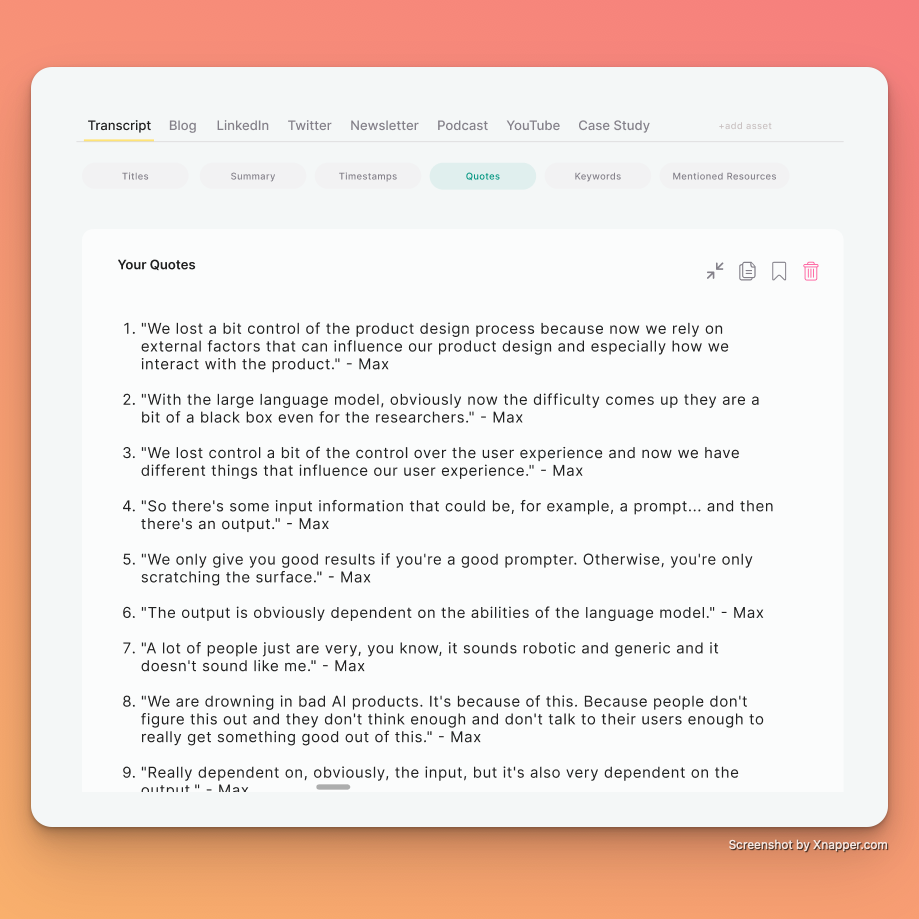
An ultra-powerful AI writer
Summarise, extend, shorten and whatever you can imagine with our powerful AI editor. You can work with your content with maximum efficiency and full collaboration.
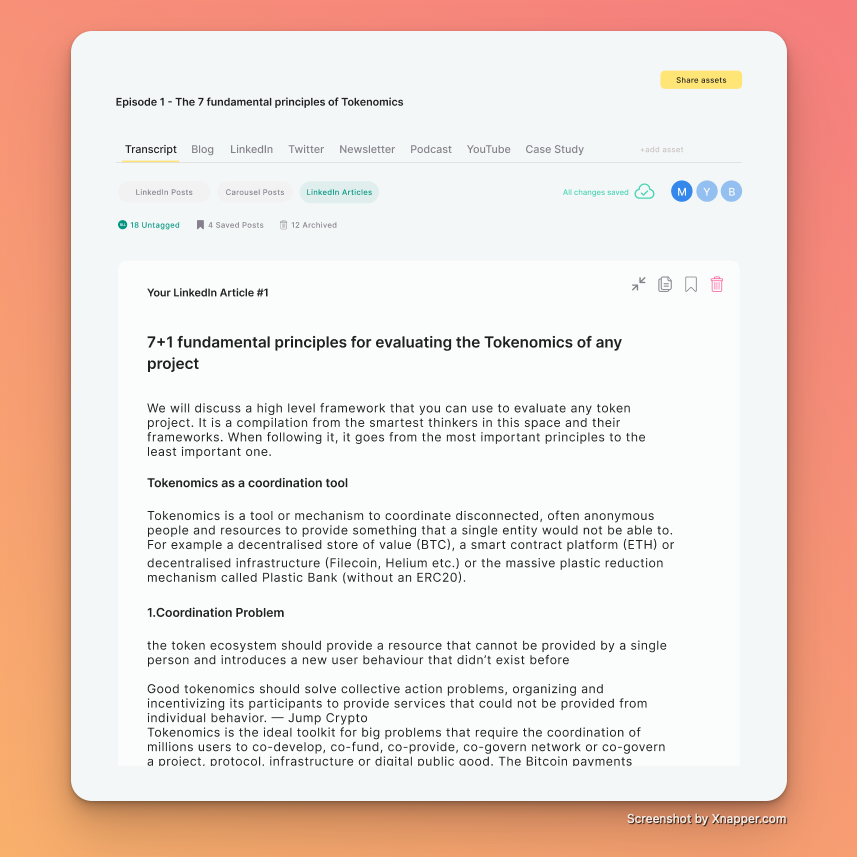
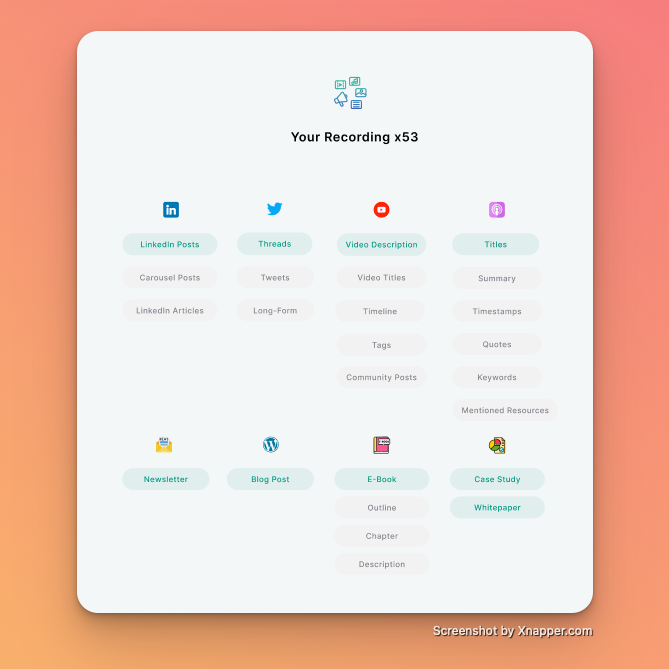
32 different output formats
With Unifire, you can turn and repurpose anything into anything. One audio recording can become an e-book, 40 LinkedIn posts, an email newsletter, a lead magnet, or every Twitter asset with one click of a button.
Build for your entire team
Unifire comes with unlimited team members, workspaces, collaborative live editing and double backups for all your content.
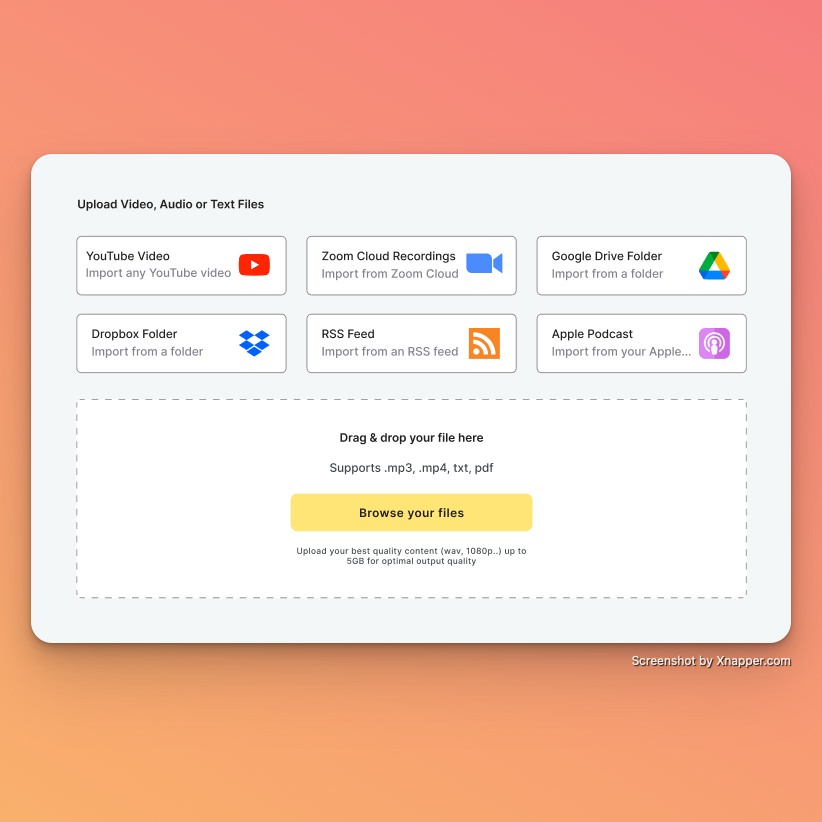
Upload any formats you can imagine
You can feed Unifire audio recordings, videos, webinars, transcripts, documents and PDFs. Everything can be repurposed.