
Transcribe Arabic
Why Transcribe Arabic is so hard to get right
Transcribe Arabic presents significant challenges in translation due to several inherent complexities associated with the Arabic language itself, as well as the nature of the input files. Arabic is a highly context-sensitive language with a rich morphology, which means that the meaning of words can change dramatically based on their form and the context in which they are used. Additionally, Arabic is written from right to left and employs a unique script that varies significantly across different dialects. This complexity is compounded when translating files that may contain idiomatic expressions, cultural references, or specialized terminology that may not have direct equivalents in other languages. Furthermore, the nuances of phonetic expression in Arabic dialects can pose difficulties for accurate transcription, as the same phonemes might be pronounced differently across regions. Moreover, the quality and clarity of audio files can greatly affect the transcription process, requiring advanced recognition tools and native speakers for accurate rendering. The combination of these factors makes the task of transcribing Arabic into another language not only technically challenging but also reliant on a deep understanding of both linguistic structures and cultural contexts.
How Transcribe Arabic works
Unifire is an innovative tool that users can utilize to transcribe Arabic text, seamlessly converting spoken or written Arabic language into written form. Whether it’s for academic purposes, professional documentation, or personal note-taking, Unifire enables users to effortlessly capture the essence of the Arabic language in a format that is easy to read and analyze. This feature is especially beneficial for students studying the language, researchers conducting linguistic analysis, or businesses engaging with Arabic-speaking clients. With Unifire’s ability to accurately transcribe Arabic, users can enhance their communication and understanding, paving the way for enriched interactions and comprehensive language learning experiences.
Users utilize the “Transcribe Arabic” functionality to convert spoken or written Arabic content into text format, enhancing accessibility and comprehension. This service caters to a diverse range of individuals, including students who need to transcribe lectures for easier study and review, professionals who require accurate documentation of meetings or interviews conducted in Arabic, and researchers who gather data from oral histories or public speeches in the Arabic language. By offering transcription, users can efficiently capture the nuances of spoken Arabic, including dialects and colloquialisms, ensuring that important information is not lost in translation. Additionally, this functionality supports non-Arabic speakers who wish to understand Arabic content by providing a written record that can be translated into other languages. Overall, transcribing Arabic serves as a powerful tool for communication, education, and information dissemination in a rapidly globalizing world.
Unifire combines transcription, translation and AI content generation
Unifire combines a beautiful AI writer with the best transcription service, translation workflows and AI content templates. Start with Transcribe Arabic and level up with Unifire.ai
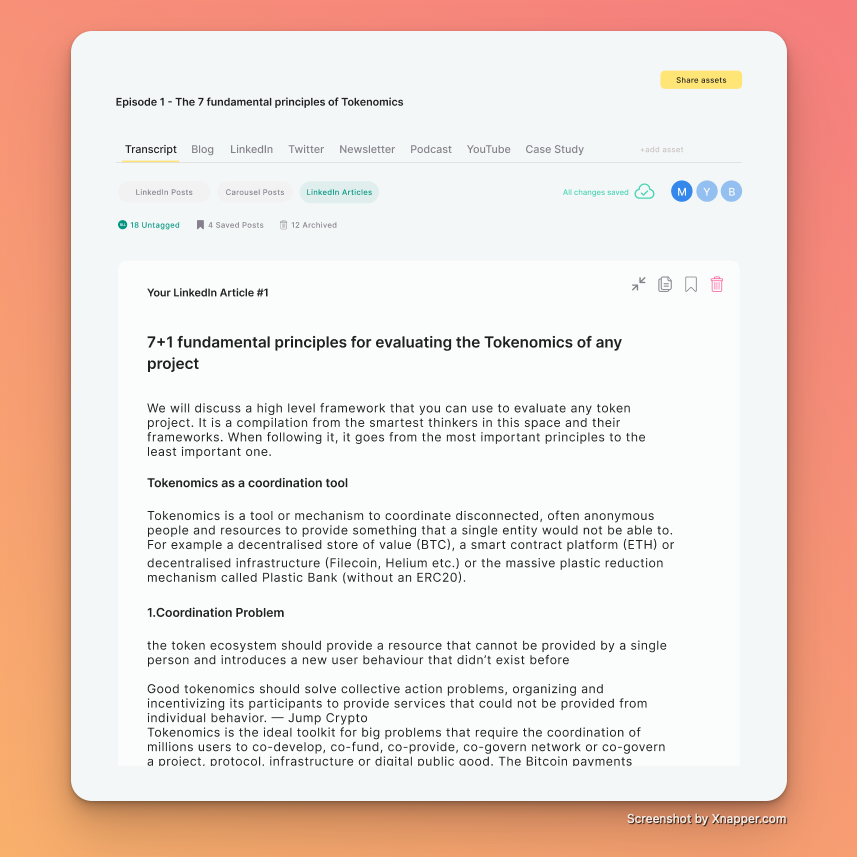
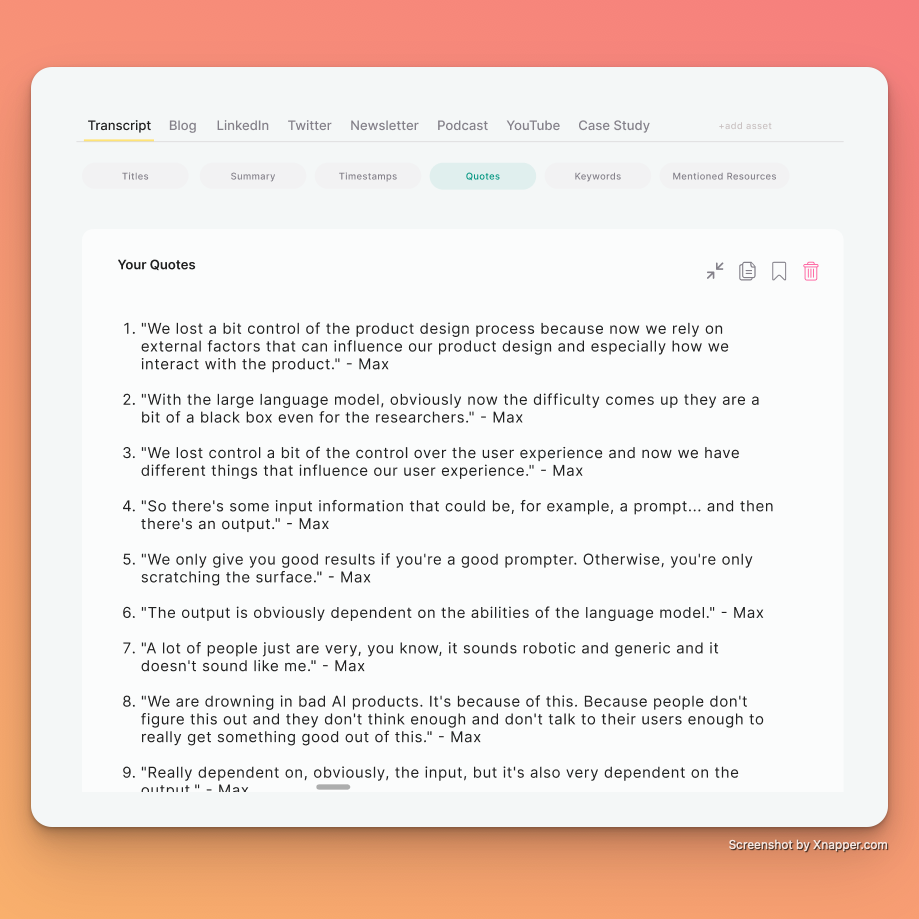
An ultra-powerful AI writer
Summarise, extend, shorten and whatever you can imagine with our powerful AI editor. You can work with your content with maximum efficiency and full collaboration.
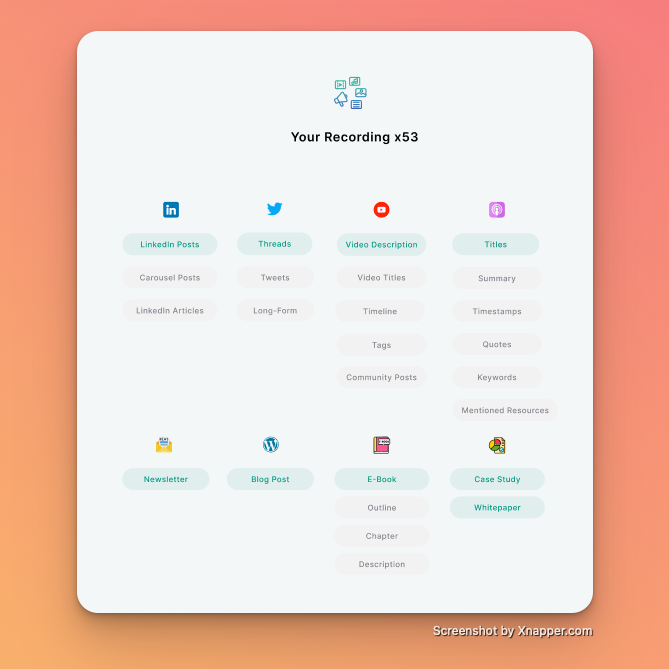
32 different output formats
With Unifire, you can turn and repurpose anything into anything. One audio recording can become an e-book, 40 LinkedIn posts, an email newsletter, a lead magnet, or every Twitter asset with one click of a button.
Build for your entire team
Unifire comes with unlimited team members, workspaces, collaborative live editing and double backups for all your content.
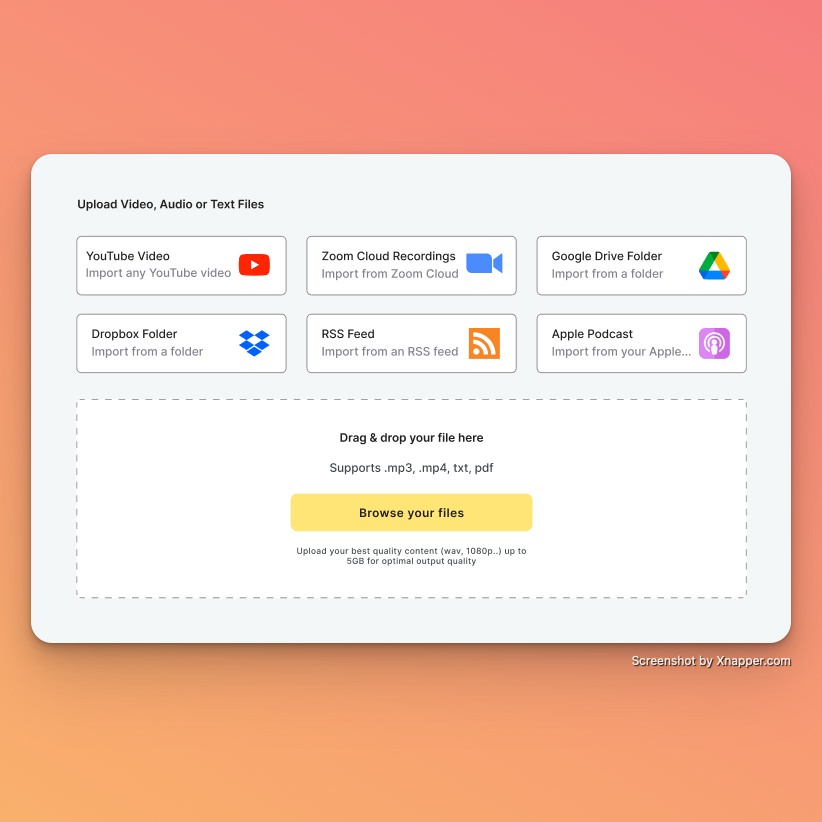
Upload any formats you can imagine
You can feed Unifire audio recordings, videos, webinars, transcripts, documents and PDFs. Everything can be repurposed.