
Transcribe Chinese Audio To Text
Why Transcribe Chinese Audio To Text is so hard to get right
Transcribing Chinese audio to text presents a unique set of challenges that make the task particularly difficult to translate into another language. Firstly, the tonal nature of the Chinese language adds complexity, as the same phonetic sounds can have different meanings depending on their tone, which may not have a direct equivalent in languages that lack tonal distinctions. Moreover, the vast array of dialects within the Chinese language, such as Mandarin, Cantonese, and Shanghainese, requires a deep contextual understanding of the specific dialect being used, complicating the transcription process when translating to a language like English or Spanish that may not capture these nuanced sounds. Additionally, Chinese characters are logographic, meaning that each symbol represents a word or concept rather than a sound, resulting in potential loss of meaning or context during translation if not handled by someone with expertise in both the source and target languages. This intricacy is further exacerbated by idiomatic expressions and cultural references embedded in spoken Chinese that may not have a direct translation, necessitating a level of interpretation that can alter the intended message. Lastly, the technical aspects of audio transcription—such as background noise, speaker accents, and overlapping dialogue—create additional hurdles, as they may distort the clarity of the audio, leading to misinterpretations when converting the transcribed text to another language.
How Transcribe Chinese Audio To Text works
Unifire is a versatile tool that allows users to transcribe Chinese audio to text, making it an invaluable resource for individuals and organizations looking to convert spoken Mandarin into written form. Whether for academic research, content creation, or personal note-taking, Unifire streamlines the process, enabling users to capture the nuances of spoken language accurately. By utilizing its advanced transcription capabilities, users can efficiently turn dialogue from lectures, interviews, or casual conversations into clear, legible text. This functionality is particularly beneficial for language learners and professionals who need quick access to written records of spoken Chinese, fostering better understanding and engagement with the language.
Users utilize the functionality to transcribe Chinese audio to text for a variety of reasons primarily centered around enhancing accessibility and improving communication. This capability allows individuals—whether they are students, professionals, or researchers—to convert spoken Mandarin, Cantonese, or other Chinese dialects into written form, facilitating easier review, documentation, and understanding of the material being presented. For non-native speakers or those learning the language, this transcription service serves as an invaluable tool for comprehension and language acquisition, enabling them to visualize the pronunciation and vocabulary used in real conversations. Additionally, transcribing audio to text assists businesses in creating accurate records of meetings, interviews, or customer interactions, thereby streamlining workflows and ensuring critical information is preserved. The ability to easily reference the written text also aids in translating the content for broader audiences, allowing for improved communication across language barriers. Overall, the functionality significantly increases the efficiency with which users can engage with Chinese audio content, making it an essential resource in various settings.
Unifire combines transcription, translation and AI content generation
Unifire combines a beautiful AI writer with the best transcription service, translation workflows and AI content templates. Start with Transcribe Chinese Audio To Text and level up with Unifire.ai
An ultra-powerful AI writer
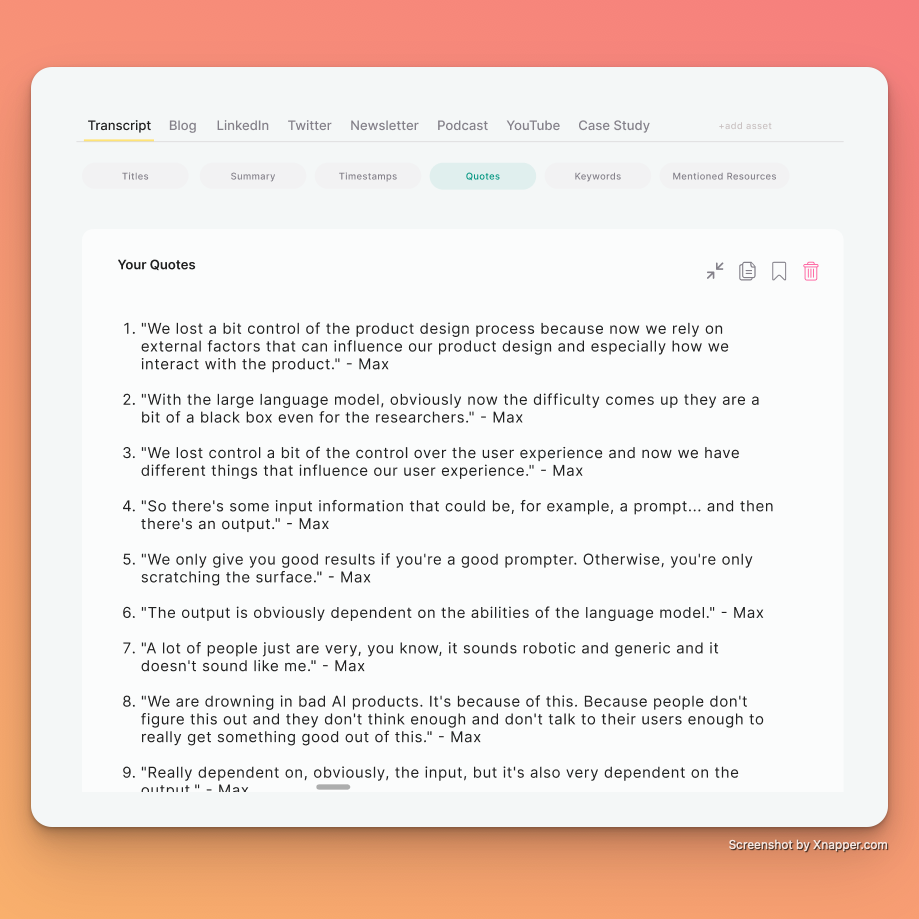
Summarise, extend, shorten and whatever you can imagine with our powerful AI editor. You can work with your content with maximum efficiency and full collaboration.
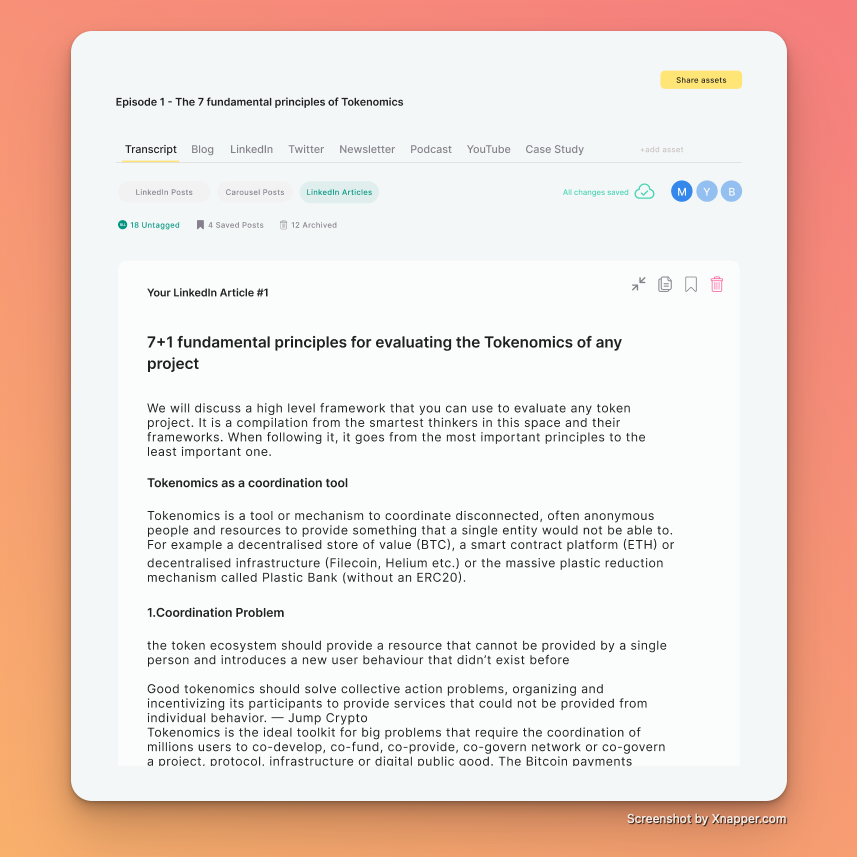
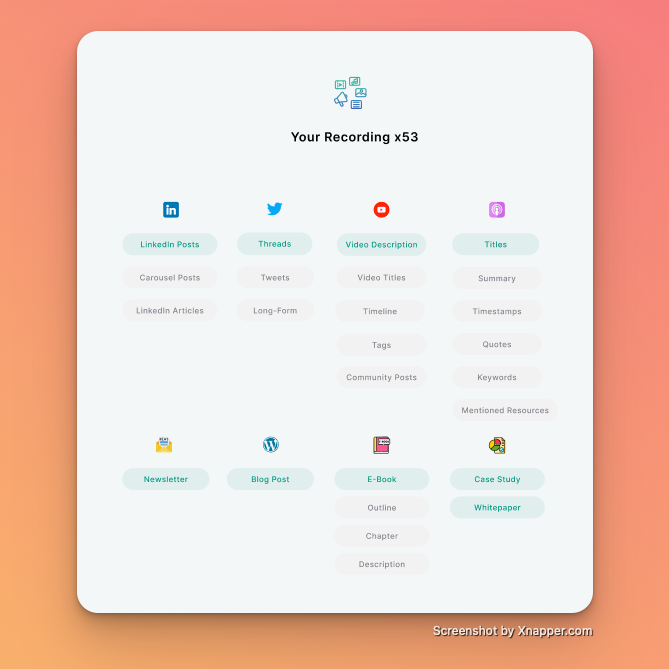
32 different output formats
With Unifire, you can turn and repurpose anything into anything. One audio recording can become an e-book, 40 LinkedIn posts, an email newsletter, a lead magnet, or every Twitter asset with one click of a button.
Build for your entire team
Unifire comes with unlimited team members, workspaces, collaborative live editing and double backups for all your content.
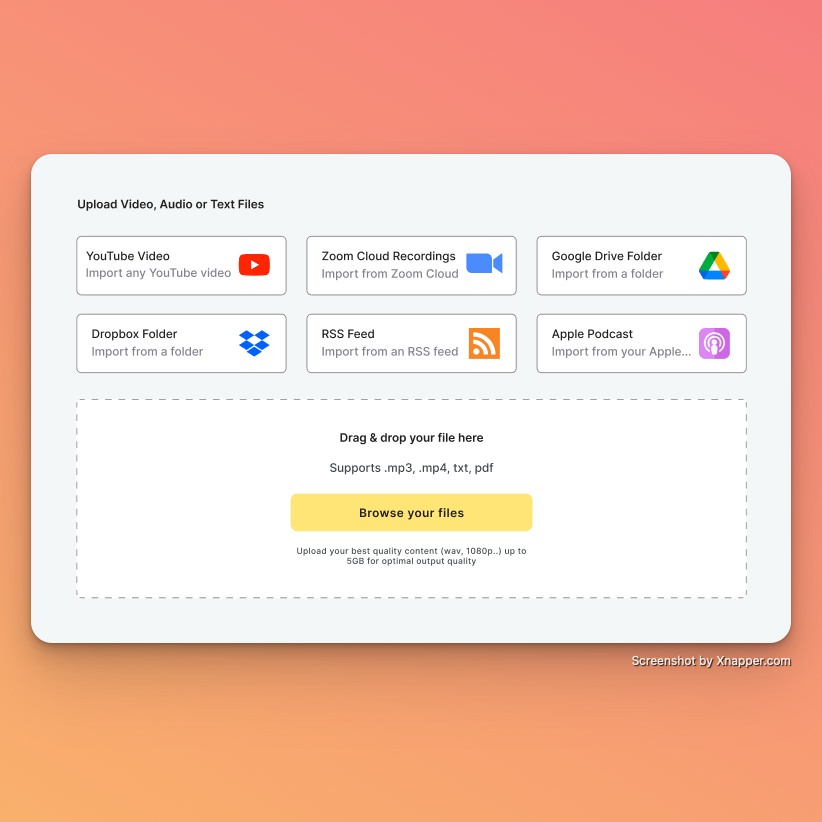
Upload any formats you can imagine
You can feed Unifire audio recordings, videos, webinars, transcripts, documents and PDFs. Everything can be repurposed.