
Transcribe Korean
Why Transcribe Korean is so hard to get right
Transcribing Korean poses significant challenges when translating its file types into another language due to the intricate nature of the Korean writing system, Hangul, and the subtleties of its phonetics. Korean is characterized by a unique structure that combines syllables into blocks, which can complicate the transcription process when converting audio or written content into text files in languages with different scripts and grammatical rules. Additionally, the contextual use of language in Korean—where meaning can hinge on honorifics, politeness levels, and idiomatic expressions—requires a deep cultural understanding that is often lost in mere literal translations. Different dialects and regional variations add another layer of complexity, as transcribers need to discern not just words but also the nuances of pronunciation and expression that may not have direct equivalents in other languages. Furthermore, specialized content such as legal or technical documents often contains jargon that may not have corresponding terminology in the target language, necessitating careful consideration and adaptation during the translation process. All of these factors make the transcription of Korean into other languages a highly demanding task that goes beyond the mere conversion of text, requiring linguistic proficiency and cultural sensitivity for accurate and meaningful translation.
How Transcribe Korean works
Unifire can be an invaluable tool for users looking to transcribe Korean text with ease and accuracy. By harnessing its capabilities, individuals can convert spoken Korean language into written text, making it an excellent resource for students, researchers, and professionals engaged in language studies or communication with Korean-speaking populations. Whether for capturing notes from lectures, transcribing interviews, or creating subtitles for video content, Unifire streamlines the process by generating accurate text representations of Korean speech. This functionality allows users to focus on the content rather than the mechanics of transcription, enabling a more efficient workflow for anyone needing to document spoken Korean language.
Users utilize the functionality to transcribe Korean primarily for its convenience and efficiency in converting spoken or written Korean into a text format. This can be particularly beneficial for individuals involved in academic research, language learning, or professional settings where precise transcription of Korean audio or video content is required. By transcribing, users can easily access, review, and analyze dialogues, interviews, or lectures, facilitating better comprehension and retention of information. Additionally, transcription aids those who may struggle with direct language comprehension, enabling them to read along with audio content and improve their language skills. The ability to capture nuances in conversation, such as tone and context, further enhances the educational experience for learners. Ultimately, the transcription of Korean serves as a valuable tool for bridging language barriers and streamlining communication across various fields and contexts.
Unifire combines transcription, translation and AI content generation
Unifire combines a beautiful AI writer with the best transcription service, translation workflows and AI content templates. Start with Transcribe Korean and level up with Unifire.ai
An ultra-powerful AI writer
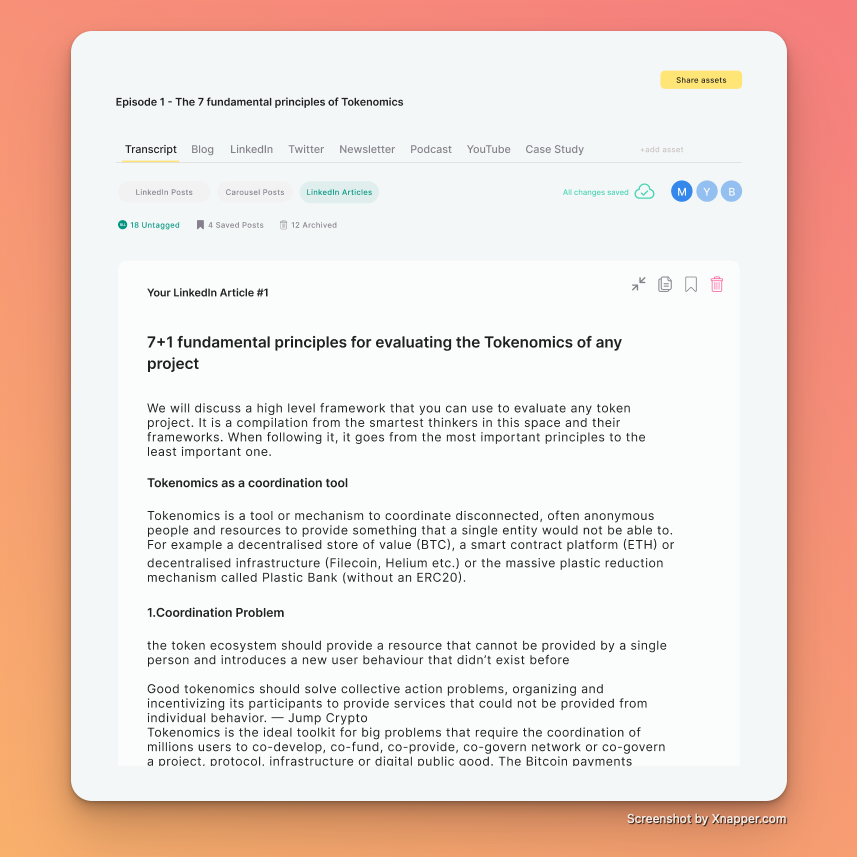
Summarise, extend, shorten and whatever you can imagine with our powerful AI editor. You can work with your content with maximum efficiency and full collaboration.
32 different output formats
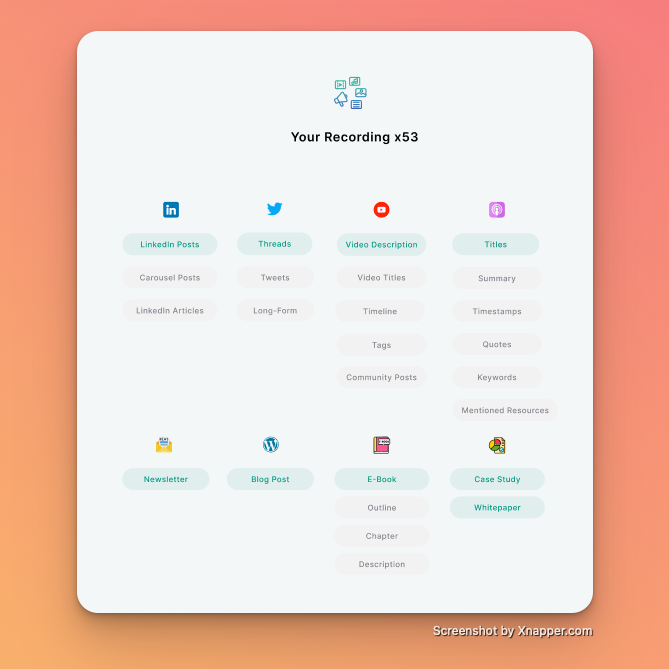
With Unifire, you can turn and repurpose anything into anything. One audio recording can become an e-book, 40 LinkedIn posts, an email newsletter, a lead magnet, or every Twitter asset with one click of a button.
Build for your entire team
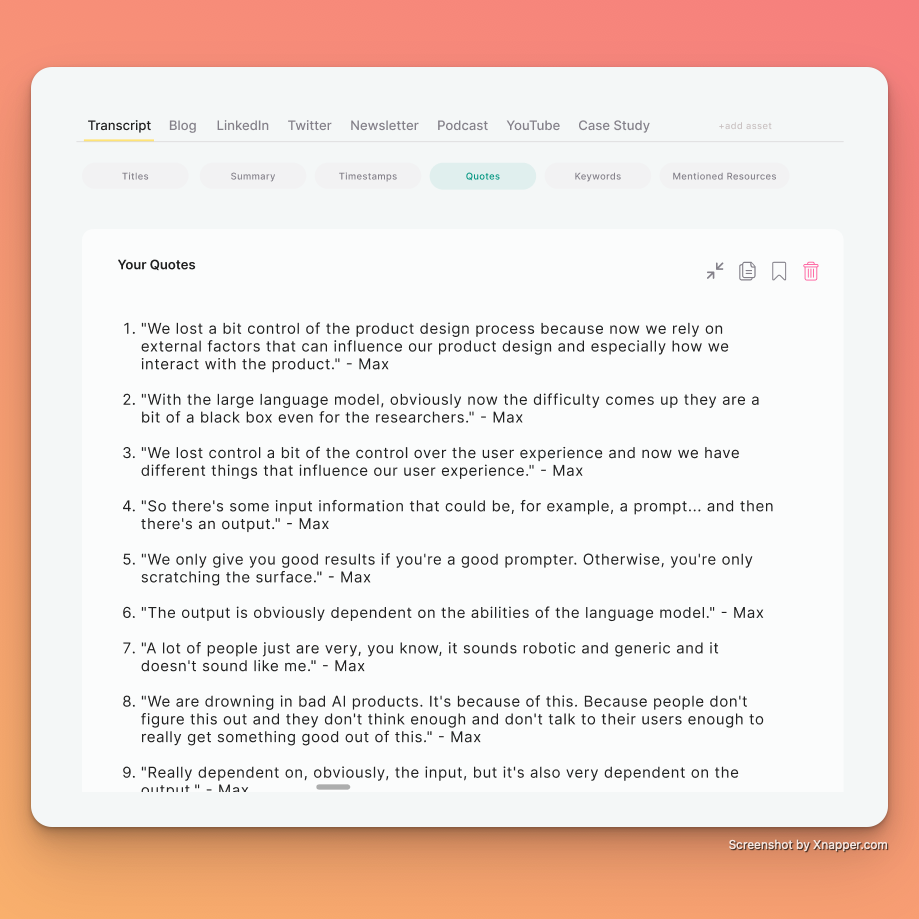
Unifire comes with unlimited team members, workspaces, collaborative live editing and double backups for all your content.
Upload any formats you can imagine
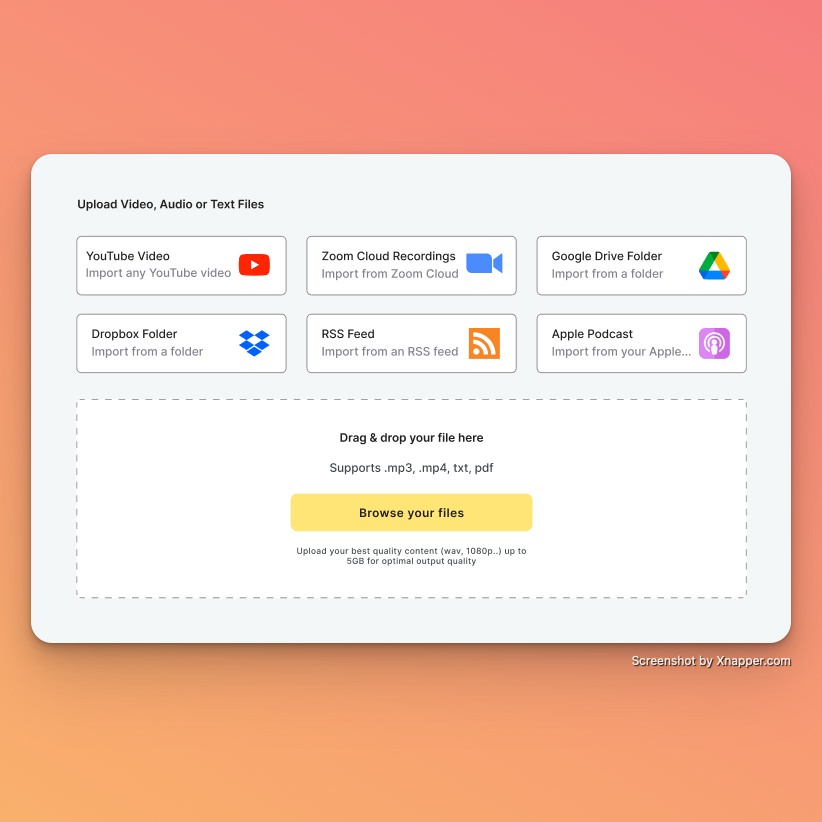
You can feed Unifire audio recordings, videos, webinars, transcripts, documents and PDFs. Everything can be repurposed.