
Transcript In German
Why Transcript In German is so hard to get right
Transcript in German presents significant challenges when it comes to translation due to the inherent complexities of the language itself, as well as the specific context of the content being translated. German, with its intricate grammar rules, varying sentence structures, and rich vocabulary, often requires a nuanced understanding to convey the intended meaning accurately. Moreover, transcripts typically capture spoken language, which can include colloquialisms, idiomatic expressions, and spontaneous speech patterns that do not easily translate into other languages without losing their original intent or emotional weight. Additionally, cultural references embedded in the dialogue may not have direct equivalents in the target language, further complicating the translation process. Technical jargon or field-specific terminology can also pose obstacles, necessitating expert knowledge to ensure precision. Lastly, maintaining the flow and coherence of the dialogue while adhering to the unique stylistic elements of the German language adds another layer of difficulty, making the translation of transcripts a complex and demanding task.
How Transcript In German works
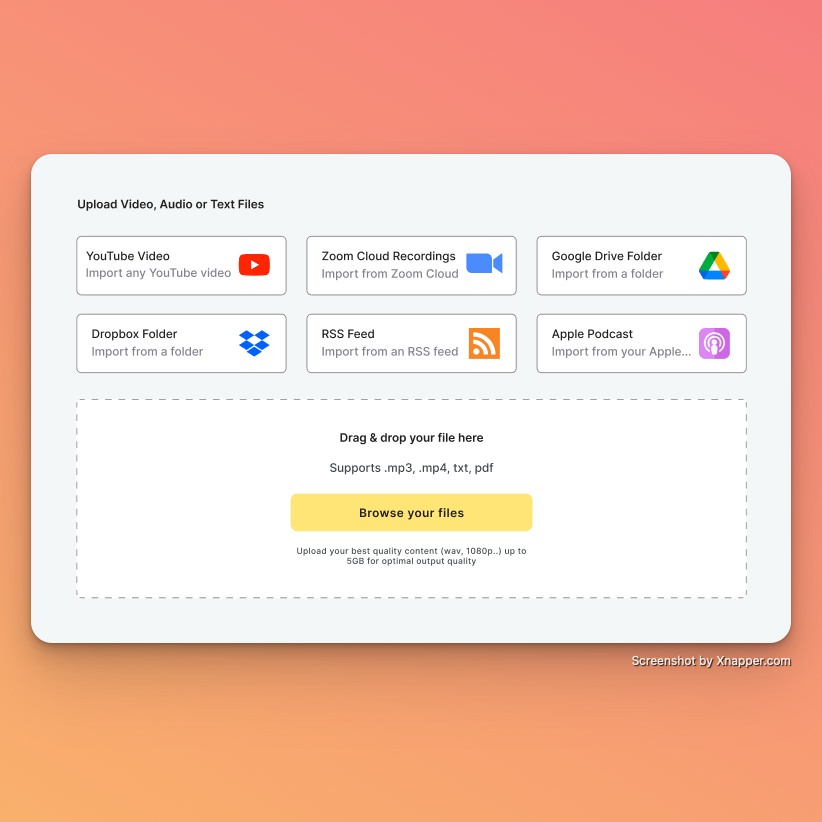
Unifire offers users a seamless solution for transcribing German, making it an invaluable tool for those needing accurate transcription and translation services. Whether you are a student capturing lectures, a professional transcribing meetings, or a researcher documenting interviews, Unifire ensures high-quality text output from spoken German. Its user-friendly interface allows for easy uploading of audio files, facilitating a smooth transition from speech to written format. This capability not only saves time but also enhances accessibility and understanding of the content presented in German audio, catering to diverse needs across various fields.
Users often utilize the functionality of generating transcripts in German to facilitate communication and comprehension across language barriers. This is particularly valuable for German-speaking audiences who need access to information presented in various formats, such as meetings, lectures, or media content. By providing accurate and efficient transcripts, users can enhance their understanding of spoken content, allowing for better retention of information and improved learning outcomes. Additionally, this functionality supports inclusivity and accessibility, ensuring that individuals who are deaf or hard of hearing can engage with content that might otherwise be difficult to access. Furthermore, professionals engaged in international business, education, or any field involving multilingual interactions can benefit from the ability to quickly translate and transcribe spoken German, thereby fostering clearer dialogue and collaboration. Overall, generating transcripts in German serves as a crucial tool for enhancing communication, ensuring content accessibility, and promoting an inclusive exchange of ideas.
Unifire combines transcription, translation and AI content generation
Unifire combines a beautiful AI writer with the best transcription service, translation workflows and AI content templates. Start with Transcript In German and level up with Unifire.ai
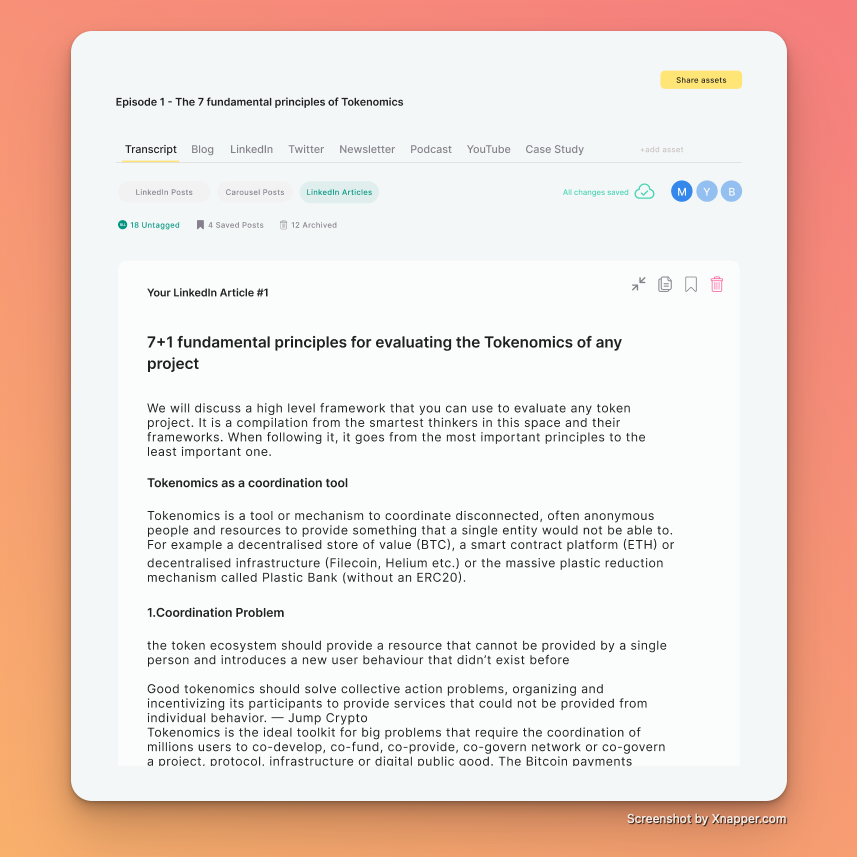
An ultra-powerful AI writer
Summarise, extend, shorten and whatever you can imagine with our powerful AI editor. You can work with your content with maximum efficiency and full collaboration.
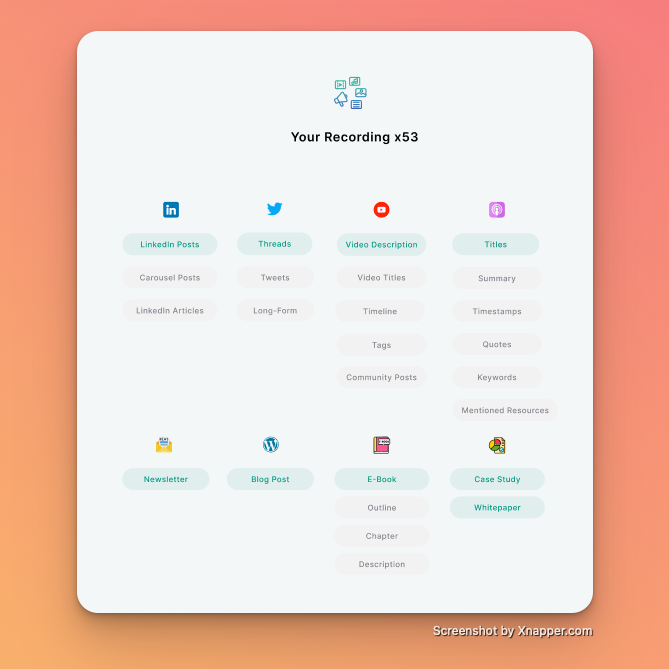
32 different output formats
With Unifire, you can turn and repurpose anything into anything. One audio recording can become an e-book, 40 LinkedIn posts, an email newsletter, a lead magnet, or every Twitter asset with one click of a button.
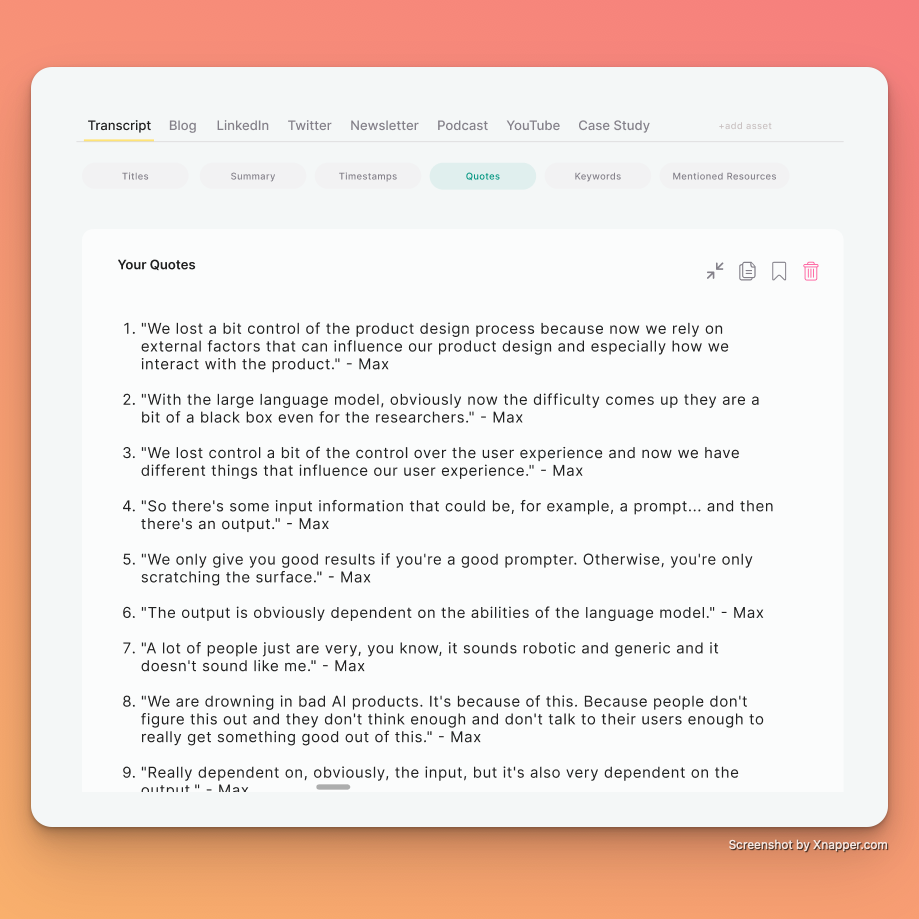
Build for your entire team
Unifire comes with unlimited team members, workspaces, collaborative live editing and double backups for all your content.
Upload any formats you can imagine
You can feed Unifire audio recordings, videos, webinars, transcripts, documents and PDFs. Everything can be repurposed.