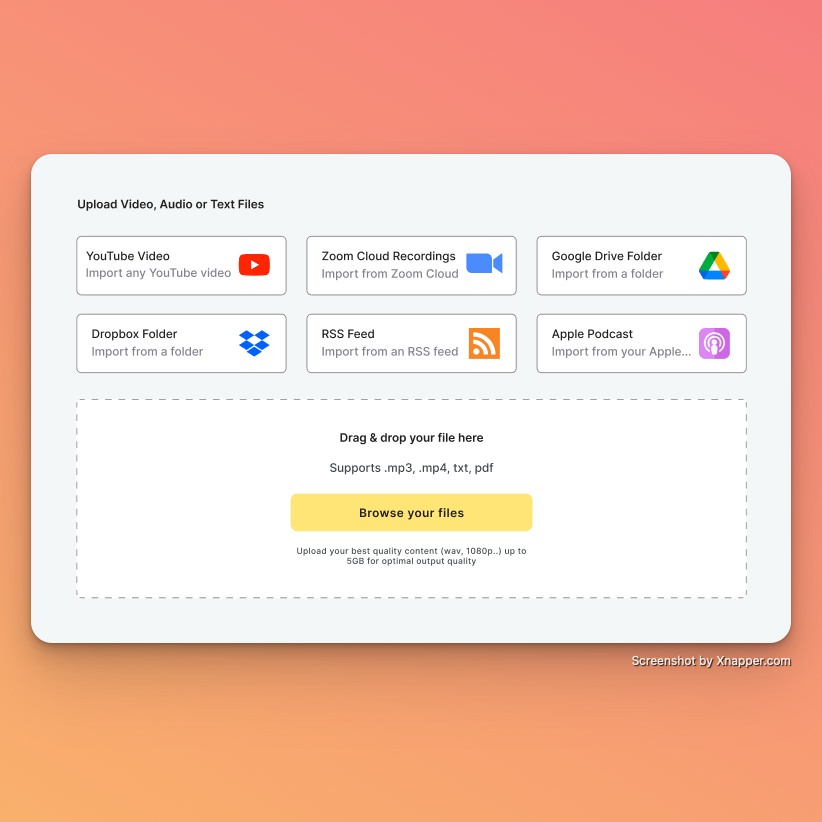

Transcript In Portuguese
Why Transcript In Portuguese is so hard to get right
Transcript In Portuguese can present significant challenges when it comes to translation into another language due to the inherent complexities of the source material. First, transcripts often contain informal language, cultural references, idiomatic expressions, and nuances specific to the original language that may not have direct equivalents in the target language. This can lead to a loss of meaning or tone if not carefully handled. Additionally, the context of the conversation—whether legal, medical, or conversational—requires an understanding of specialized terminology that may not be universally recognized or easily translatable. Furthermore, the lack of standardized formatting in transcripts can lead to ambiguities, making it difficult for translators to accurately convey true meanings and emotions. Lastly, the translator must also consider the intended audience and how regional variations within the target language, such as differences in Brazilian Portuguese versus European Portuguese, can further complicate the translation process. Thus, achieving a faithful and contextually appropriate translation of transcripts into another language necessitates a high level of expertise and cultural sensitivity, making it a daunting task.
How Transcript In Portuguese works
Unifire is a versatile platform that users can utilize for a variety of text-related tasks, focusing primarily on simple text generation and translation services. With its robust features, users can effortlessly create written content, whether it be for personal use, academic purposes, or professional requirements. Additionally, Unifire offers translation capabilities that allow users to easily convert text from one language to another, facilitating better communication across linguistic barriers. By harnessing these functions, individuals and businesses alike can streamline their writing processes and ensure that their messages resonate clearly and accurately with their intended audiences, thereby enhancing productivity and fostering global connections.
Users seek the functionality of generating transcripts in Portuguese primarily to enhance accessibility and comprehension for Portuguese-speaking audiences. This feature allows individuals to transform spoken language into written text, making it easier for students, professionals, and researchers to review and absorb information presented in audio or video formats. Additionally, the ability to generate transcripts aids non-native speakers or those with hearing impairments by providing a clear and structured format of the content, which can be revisited for study or clarification. It supports effective communication by ensuring that language barriers are minimized, enabling broader dissemination of ideas and knowledge. Furthermore, the use of Portuguese transcripts can facilitate accurate translations and adaptations, allowing for cultural nuances to be preserved while reaching a wider audience. Overall, this functionality serves as an invaluable tool for education, content creation, and inclusive communication.
Unifire combines transcription, translation and AI content generation
Unifire combines a beautiful AI writer with the best transcription service, translation workflows and AI content templates. Start with Transcript In Portuguese and level up with Unifire.ai
An ultra-powerful AI writer
Summarise, extend, shorten and whatever you can imagine with our powerful AI editor. You can work with your content with maximum efficiency and full collaboration.
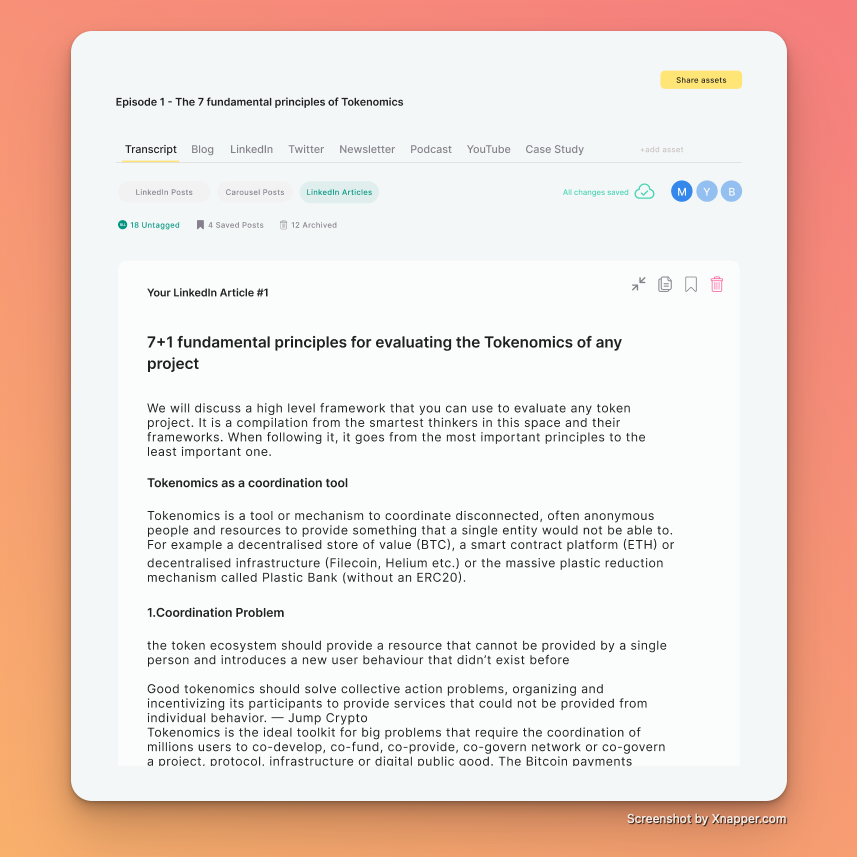
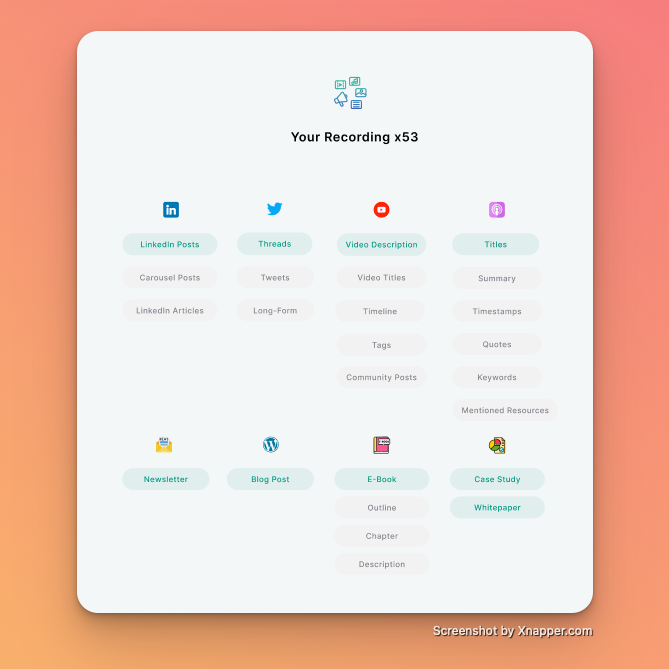
32 different output formats
With Unifire, you can turn and repurpose anything into anything. One audio recording can become an e-book, 40 LinkedIn posts, an email newsletter, a lead magnet, or every Twitter asset with one click of a button.
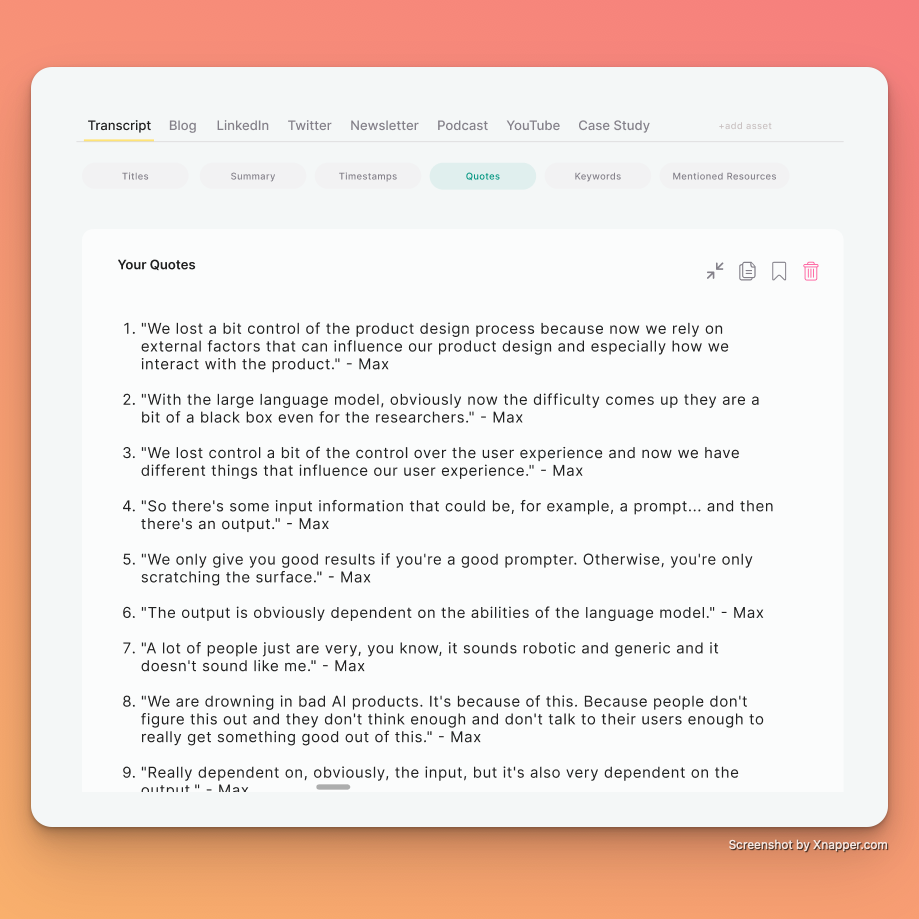
Build for your entire team
Unifire comes with unlimited team members, workspaces, collaborative live editing and double backups for all your content.
Upload any formats you can imagine
You can feed Unifire audio recordings, videos, webinars, transcripts, documents and PDFs. Everything can be repurposed.