
Translate Arabic Audio
Why Translate Arabic Audio is so hard to get right
Translate Arabic Audio poses several challenges that make the process particularly difficult. Firstly, Arabic is a language rich in dialects, with significant variances not only across different countries but even within regions of the same country, which can make it hard to accurately capture the intended meaning and nuances in translation. Secondly, audio content often contains slang, idiomatic expressions, and cultural references that may not have direct equivalents in the target language, complicating the translation further. Additionally, the quality of the audio itself can impact translation ease; poor audio clarity, background noise, or overlapping speech can obscure meaning and hinder comprehension. Furthermore, the nature of spoken language, with its quick tempo, informal structures, and spontaneous interruptions, differs greatly from written language, necessitating a more nuanced understanding and interpretation during the translation process. Lastly, specialized vocabulary or jargon in specific contexts—such as technical, medical, or legal fields—requires not only fluency in Arabic and the target language but also background knowledge in the relevant subject matter, adding another layer of complexity to the task of translating Arabic audio effectively.
How Translate Arabic Audio works
Unifire is an innovative platform that users can utilize to seamlessly translate Arabic audio into text, making it an invaluable tool for a variety of applications. Whether for business, education, or personal use, individuals can leverage Unifire to convert their spoken Arabic content into written format, facilitating better understanding and accessibility. This is particularly helpful for non-Arabic speakers who wish to comprehend Arabic dialogues or lectures, as well as for Arabic-speaking users who need to transcribe audio recordings for documentation or sharing purposes. With its focus on straightforward text generation, Unifire simplifies the process of engaging with Arabic audio content, enabling users to bridge language barriers with ease and efficiency.
Users seek the functionality of translating Arabic audio primarily to bridge communication gaps that arise from language barriers. This service is especially important in a multicultural world where Arabic is spoken by millions but may not be understood by others. By converting spoken Arabic into written text and translating it into the user’s desired language, individuals can gain access to vital information, cultural insights, or essential services. It is particularly valuable for scholars, researchers, and business professionals who need to analyze Arabic media, conduct interviews, or engage with Arabic-speaking communities. Moreover, tourists and expatriates can enhance their experiences in Arabic-speaking regions by understanding local interactions better. The demand for accurate translation ensures that users can navigate social or professional settings with confidence, promoting inclusivity and fostering better relationships across diverse populations.
Unifire combines transcription, translation and AI content generation
Unifire combines a beautiful AI writer with the best transcription service, translation workflows and AI content templates. Start with Translate Arabic Audio and level up with Unifire.ai
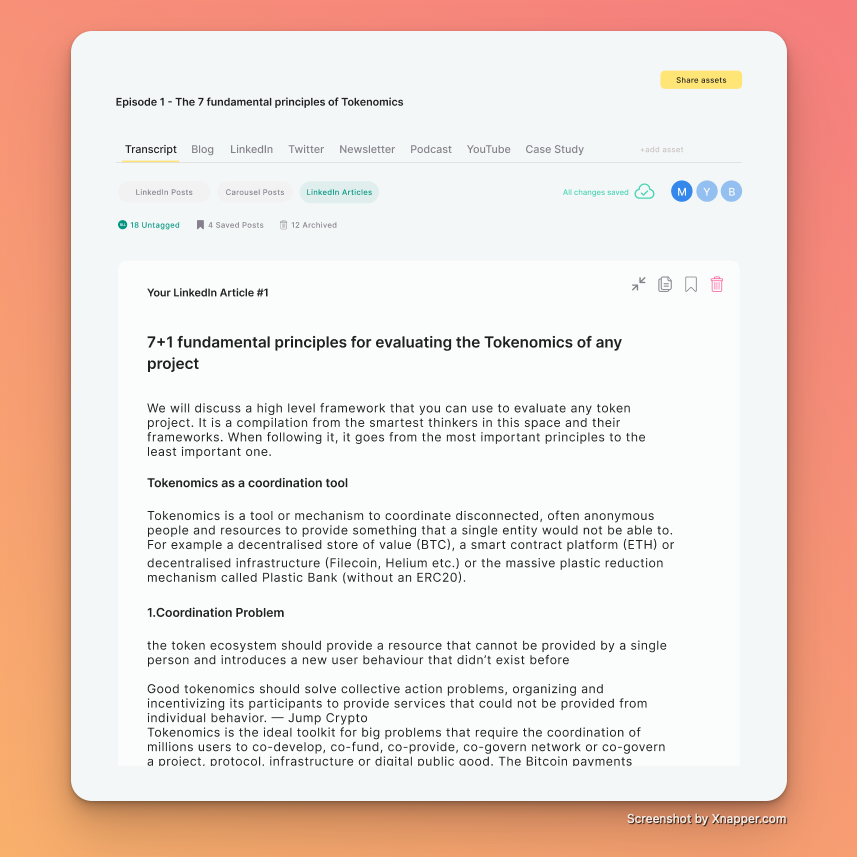
An ultra-powerful AI writer
Summarise, extend, shorten and whatever you can imagine with our powerful AI editor. You can work with your content with maximum efficiency and full collaboration.
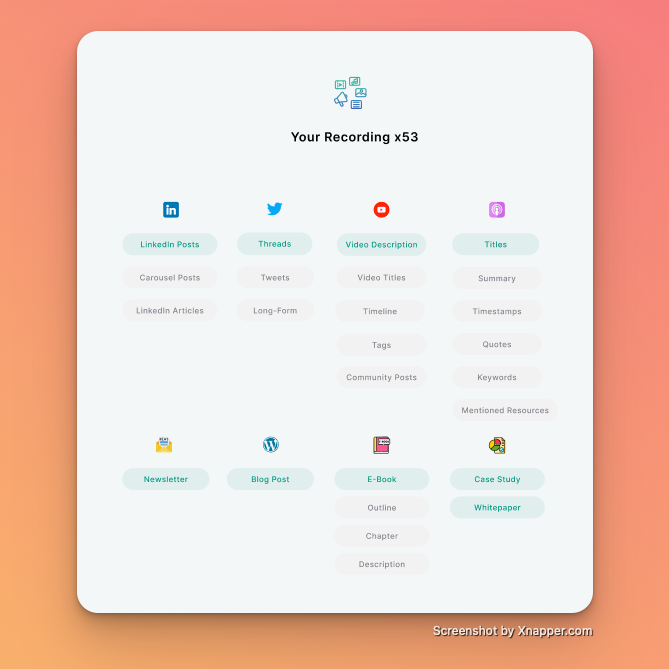
32 different output formats
With Unifire, you can turn and repurpose anything into anything. One audio recording can become an e-book, 40 LinkedIn posts, an email newsletter, a lead magnet, or every Twitter asset with one click of a button.
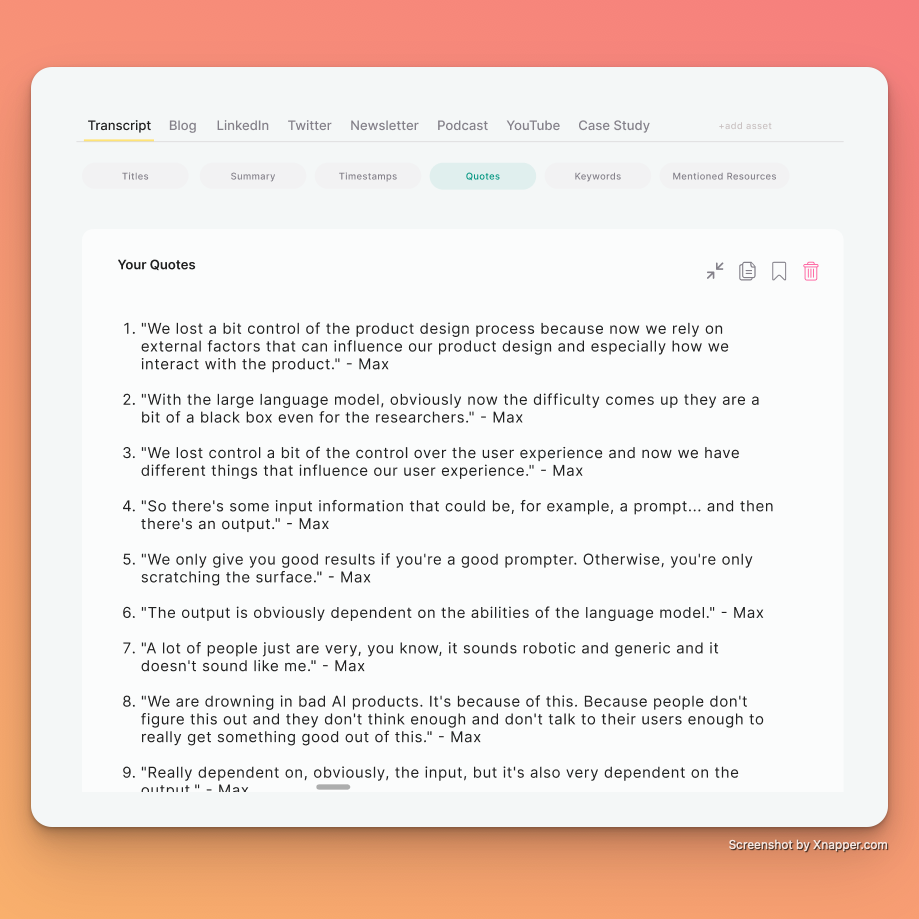
Build for your entire team
Unifire comes with unlimited team members, workspaces, collaborative live editing and double backups for all your content.
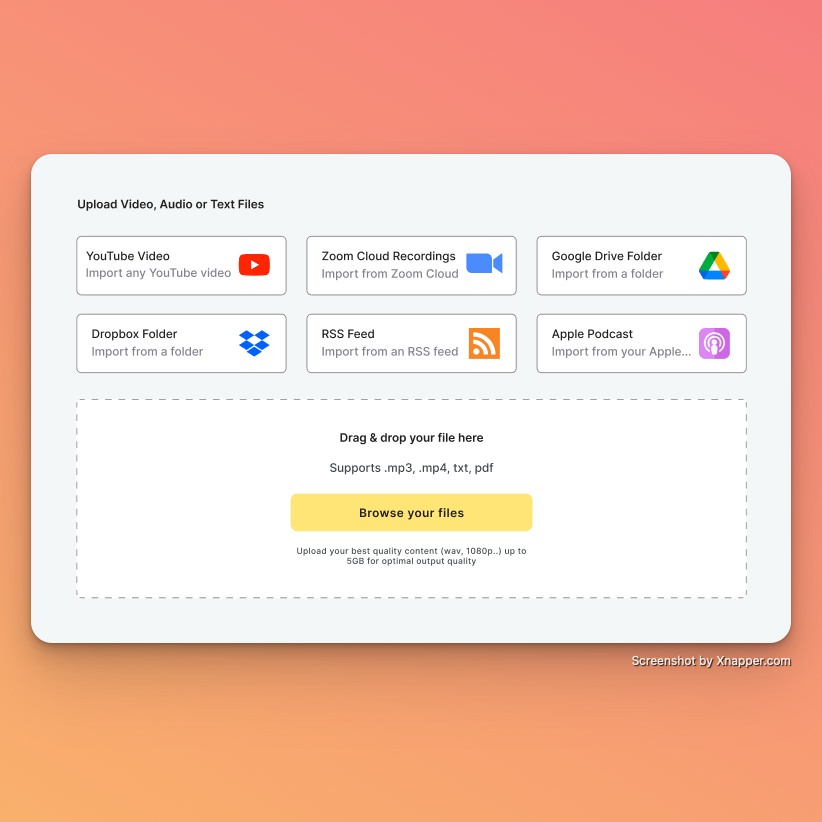
Upload any formats you can imagine
You can feed Unifire audio recordings, videos, webinars, transcripts, documents and PDFs. Everything can be repurposed.