
Translate Chinese Audio
Why Translate Chinese Audio is so hard to get right
Translate Chinese Audio presents significant challenges due to the inherent complexities of audio content and the nuances of the Chinese language itself. Firstly, audio files often include various elements such as intonation, emotion, and cultural references that are difficult to capture in written translations, making it essential for translators to not only understand the words but also the context in which they are spoken. Moreover, Mandarin and other dialects of Chinese feature tones that can change the meaning of words entirely; therefore, misinterpretation during translation can lead to inaccuracies. Additionally, audio files may include jargon, slang, or regional dialects that further complicate the translation process, requiring a translator to have specialized knowledge. The conversion from spoken language to written text involves not only transcription but also a deep understanding of both languages, which can vary in structure and idiomatic expressions. Furthermore, technological elements, such as the quality of the audio recording and background noise, can hinder clarity, making it even more challenging to achieve an accurate translation. All these factors combined make the task of translating Chinese Audio a nuanced and intricate process, often requiring a blend of linguistic skills, cultural knowledge, and advanced audio processing capabilities.
How Translate Chinese Audio works
Unifire is a powerful tool that users can leverage to translate Chinese audio into written text, facilitating greater accessibility and understanding of content in different languages. Whether it’s a business meeting conducted in Mandarin, an online lecture, or casual conversations, users can utilize Unifire to capture the essence of the spoken language and convert it into accurately translated written form. This allows individuals to comprehend intricate discussions, enhance their language skills, or engage more meaningfully with Chinese-speaking audiences. With Unifire, the barriers of language are diminished, enabling seamless communication and fostering collaboration in a globalized world.
Users turn to the functionality of translating Chinese audio primarily to bridge language barriers and enhance communication in an increasingly globalized world. With the rise of international trade, travel, and cultural exchange, the ability to understand and converse in Chinese has become essential for both personal and professional interactions. By translating audio, users can grasp spoken content in real-time, allowing them to engage effectively in conversations, understand media, and access a wealth of knowledge that would otherwise be lost in translation. This functionality caters to diverse audiences, including students learning the language, business professionals navigating negotiations, and travelers wanting to immerse themselves in local culture. Moreover, as the prevalence of digital content continues to grow, users seek this capability to remain informed and connected without the constraints of language, empowering them to participate in broader discussions and experiences.
Unifire combines transcription, translation and AI content generation
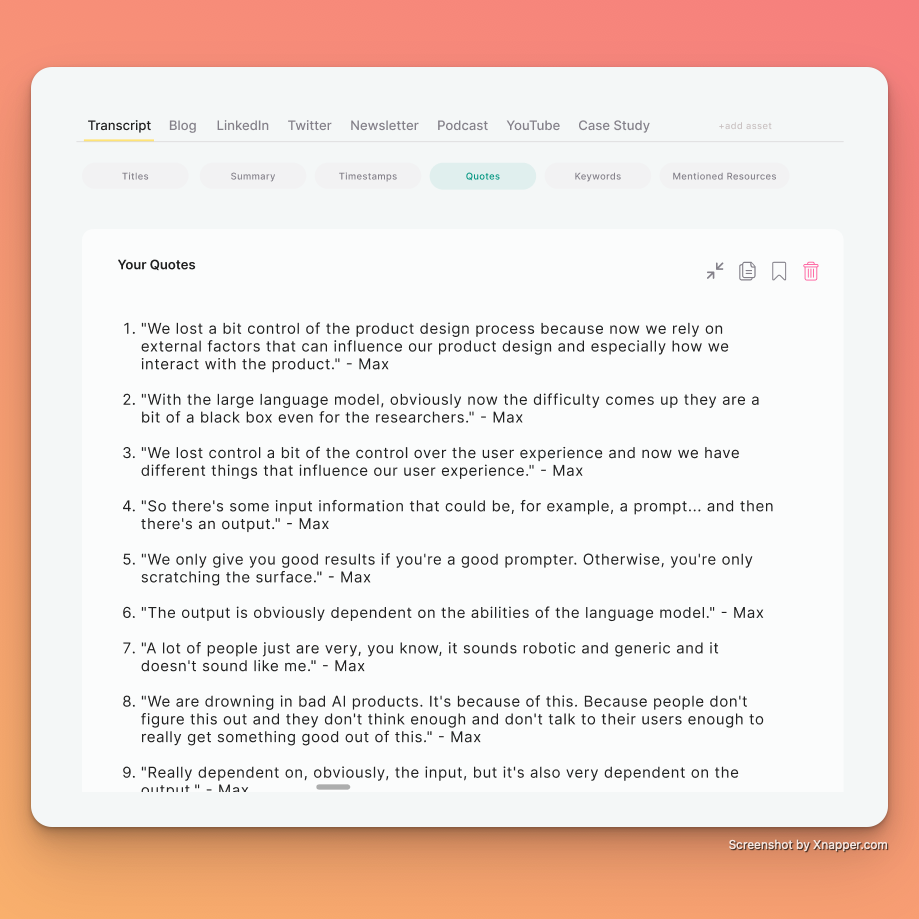
Unifire combines a beautiful AI writer with the best transcription service, translation workflows and AI content templates. Start with Translate Chinese Audio and level up with Unifire.ai
An ultra-powerful AI writer
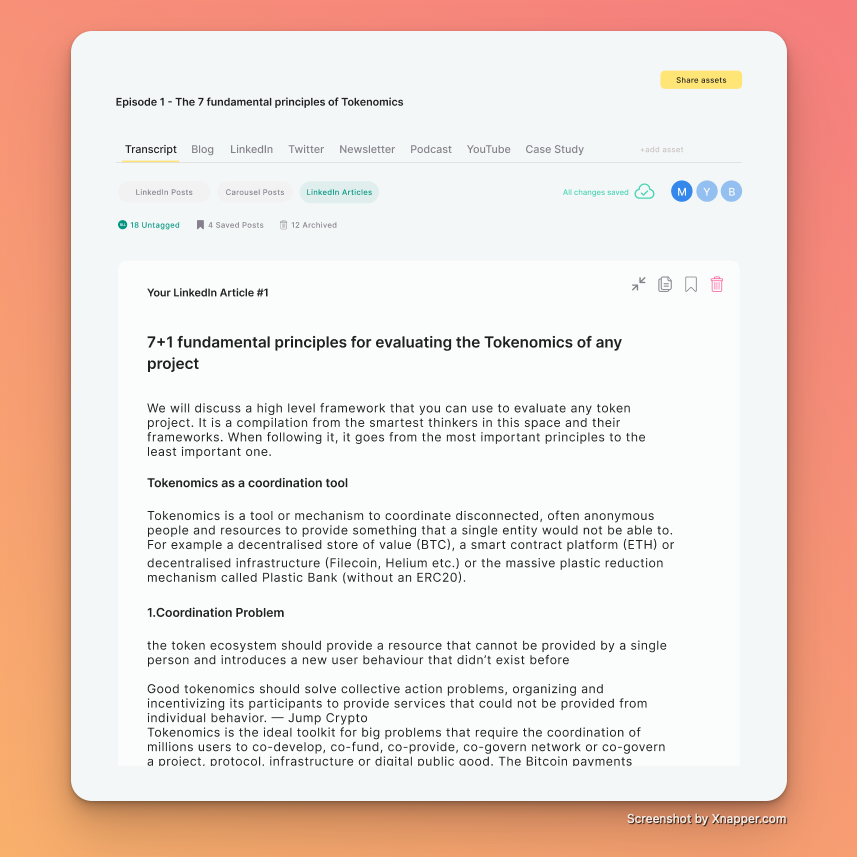
Summarise, extend, shorten and whatever you can imagine with our powerful AI editor. You can work with your content with maximum efficiency and full collaboration.
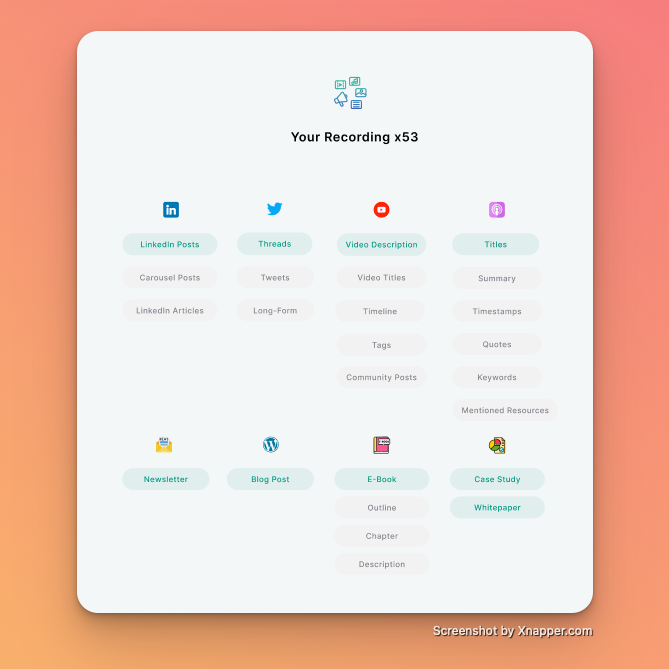
32 different output formats
With Unifire, you can turn and repurpose anything into anything. One audio recording can become an e-book, 40 LinkedIn posts, an email newsletter, a lead magnet, or every Twitter asset with one click of a button.
Build for your entire team
Unifire comes with unlimited team members, workspaces, collaborative live editing and double backups for all your content.
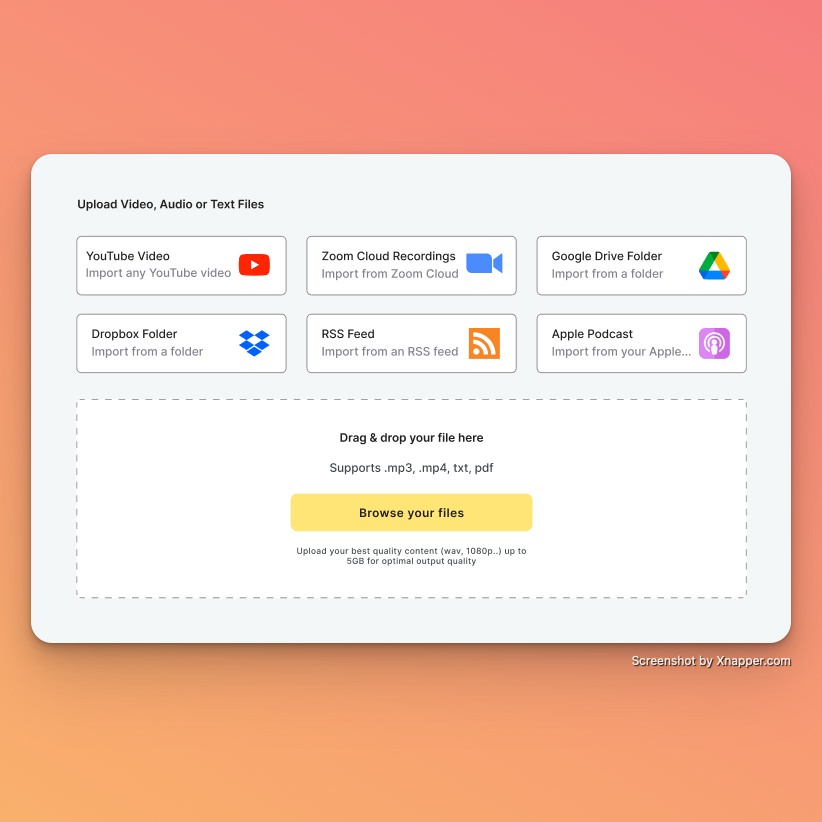
Upload any formats you can imagine
You can feed Unifire audio recordings, videos, webinars, transcripts, documents and PDFs. Everything can be repurposed.