
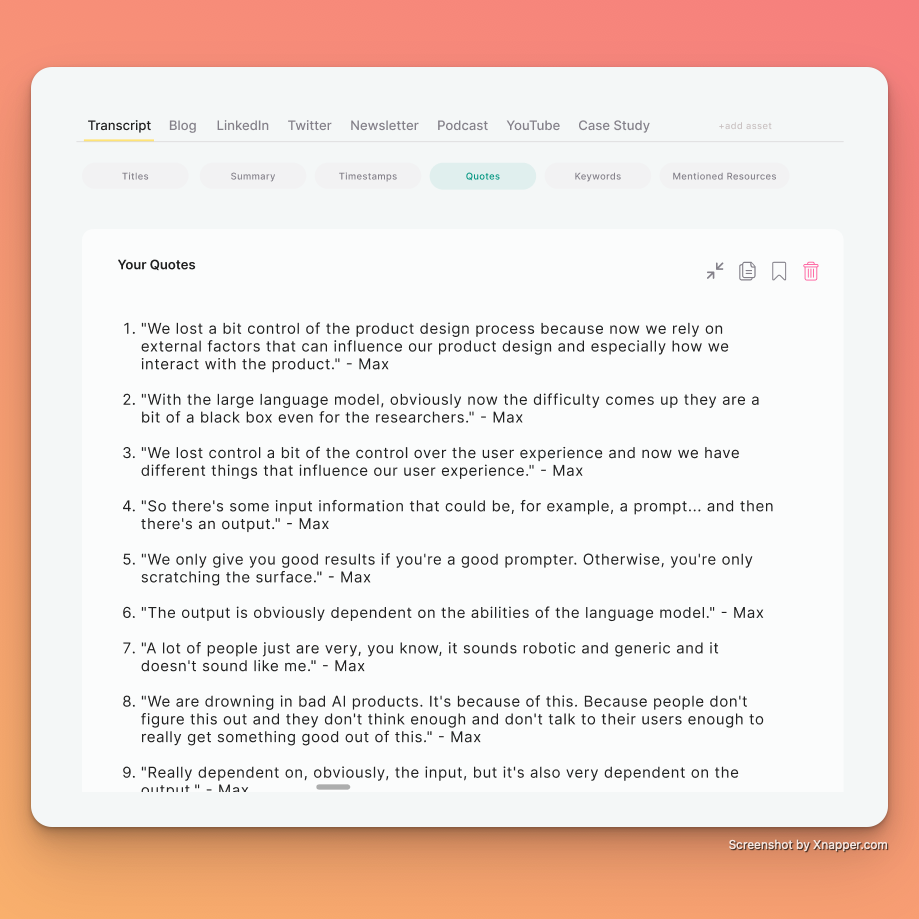
Translate Italian Audio To English
Why Translate Italian Audio To English is so hard to get right
Translate Italian Audio To English can be particularly challenging due to several intricate factors involved in audio translation. First and foremost, the nuances of spoken language, including regional dialects, colloquialisms, and varying accents, can greatly impact comprehension and accurate translation. Italian, with its rich vocabulary and expressive idioms, often embeds cultural context that may not have a direct equivalent in English, making it difficult to convey the same meaning and emotional resonance without losing richness. Furthermore, audio files present unique hurdles; background noise, overlapping dialogues, and varying speech rates can obscure clarity, complicating the extraction of coherent text for translation. Additionally, when translating Italian audio, one must also consider the importance of tone and pacing in delivering a faithful and engaging translation, aspects that can be difficult to replicate when converting spoken content into written form. The interplay of these linguistic and technical challenges underscores why translating Italian audio to English requires not only a deep understanding of both languages but also a nuanced grasp of their respective cultural contexts.
How Translate Italian Audio To English works
Unifire serves as a powerful tool for individuals looking to translate Italian audio to English, making it especially useful for language learners, travelers, and professionals working in multilingual environments. By utilizing this platform, users can effortlessly convert spoken Italian into accurate English translations, allowing them to better understand conversations, media content, or any audio resources that are in Italian. This capability is invaluable for those who may not be fluent in the language, as it bridges the communication gap, enabling seamless interaction and comprehension. Whether it’s for translating interviews, lectures, podcasts, or casual discussions, Unifire provides a practical solution for anyone in need of converting Italian audio to the English language.
Users often seek to translate Italian audio to English for a variety of reasons, primarily to enhance their understanding and accessibility of Italian content. This functionality allows individuals who may not be fluent in Italian to engage with audio materials such as podcasts, interviews, or films, thereby broadening their cultural knowledge and enjoying diverse media. Students learning the language can benefit significantly from this tool, as it aids in comprehension and pronunciation practice, facilitating language acquisition. Moreover, professionals involved in international business or diplomacy may require translation services to understand and communicate effectively with Italian-speaking clients or partners. Additionally, travelers or expatriates may use this capability to navigate social situations or conduct daily tasks in Italy with greater ease. Overall, the ability to translate Italian audio to English serves as a critical bridge for communication, fostering connections and enriching experiences across linguistic barriers.
Unifire combines transcription, translation and AI content generation
Unifire combines a beautiful AI writer with the best transcription service, translation workflows and AI content templates. Start with Translate Italian Audio To English and level up with Unifire.ai
An ultra-powerful AI writer
Summarise, extend, shorten and whatever you can imagine with our powerful AI editor. You can work with your content with maximum efficiency and full collaboration.
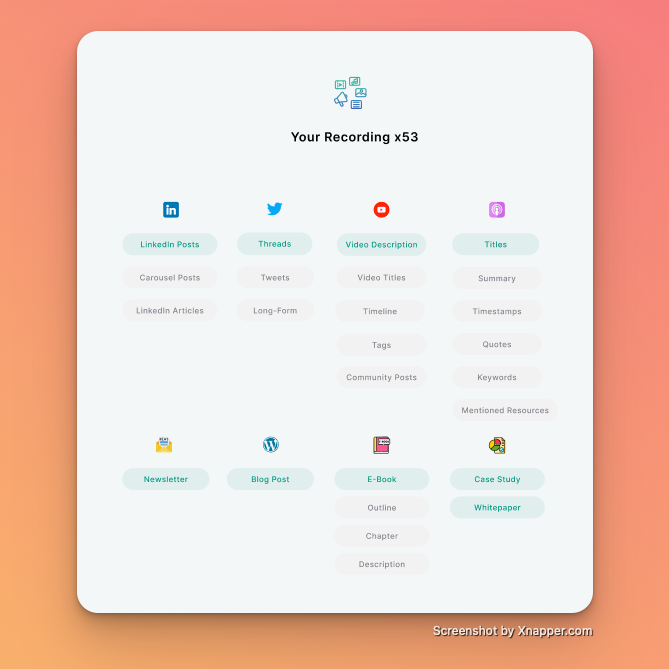
32 different output formats
With Unifire, you can turn and repurpose anything into anything. One audio recording can become an e-book, 40 LinkedIn posts, an email newsletter, a lead magnet, or every Twitter asset with one click of a button.
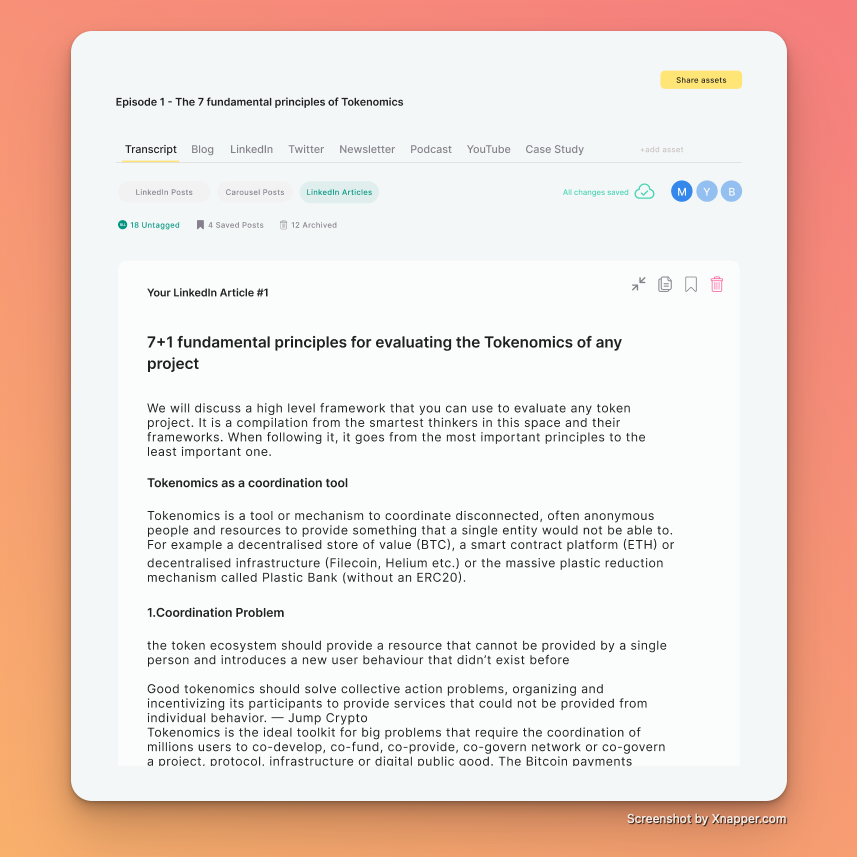
Build for your entire team
Unifire comes with unlimited team members, workspaces, collaborative live editing and double backups for all your content.
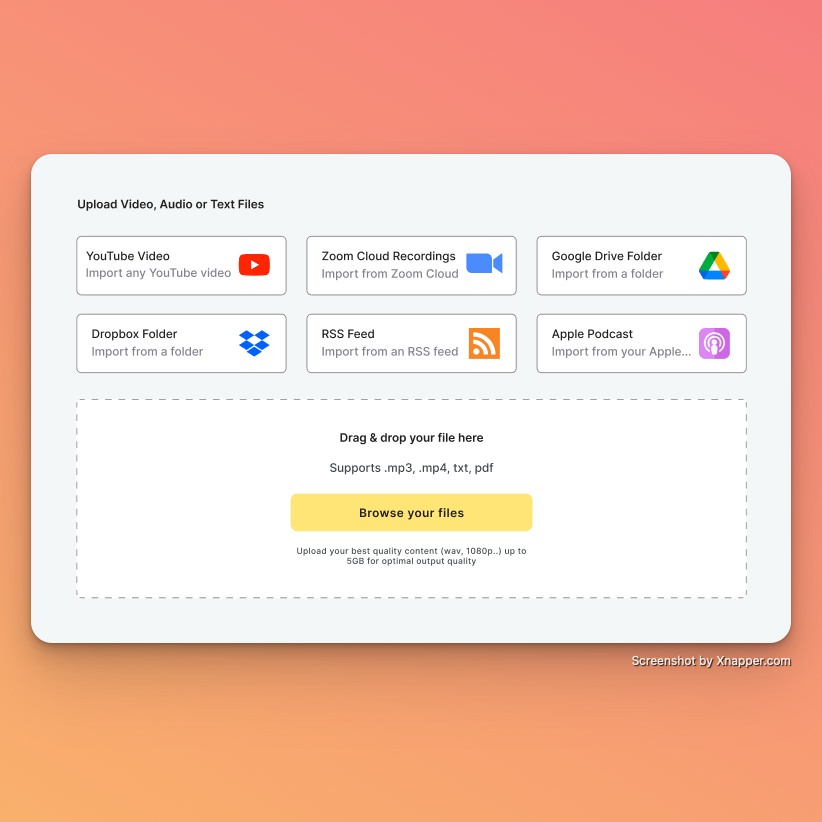
Upload any formats you can imagine
You can feed Unifire audio recordings, videos, webinars, transcripts, documents and PDFs. Everything can be repurposed.