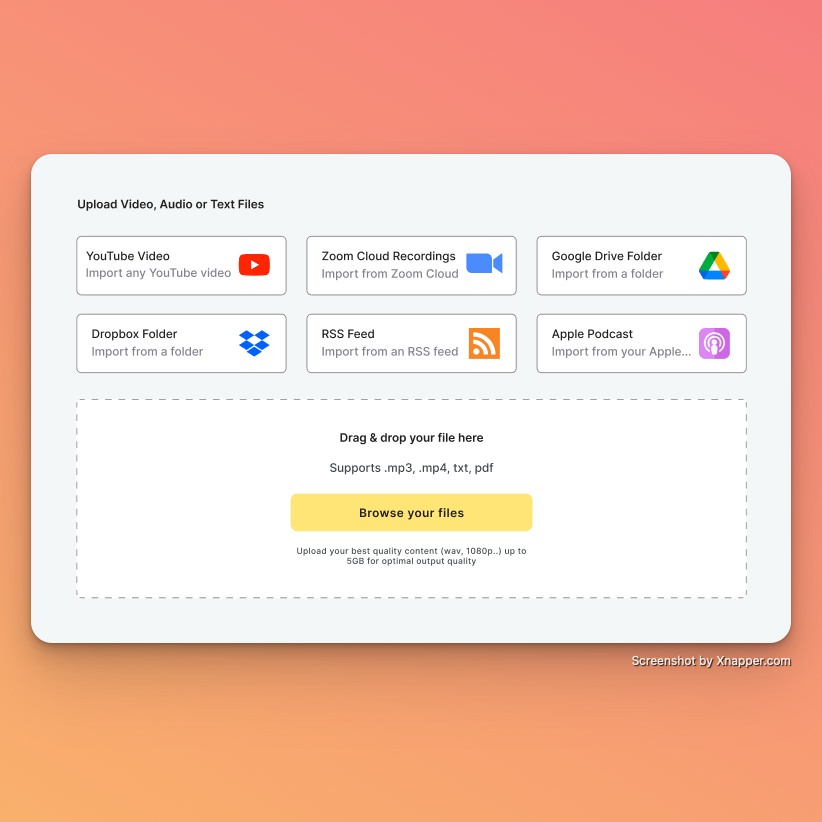

Translate Japanese Audio To English
Why Translate Japanese Audio To English is so hard to get right
Translate Japanese Audio To English presents significant challenges due to various factors inherent in audio translation. Firstly, the nuances of the Japanese language, including its unique grammatical structure, idiomatic expressions, and cultural references, pose difficulties in conveying accurate meanings in English. The tonal and contextual nature of spoken Japanese often means that words can have multiple interpretations depending on the situation, making it essential to grasp the subtleties of each conversation for effective translation. Additionally, audio files typically include elements like intonation, pacing, and emotional expression that are crucial for conveying the speaker’s intent, which can be lost in written translation. The presence of background noise or overlapping dialogue further complicates the process, as it can obscure critical context necessary for accurate interpretation. Furthermore, the need for cultural fluency in both languages adds another layer of complexity; a translator must not only understand the language but also the cultural context surrounding the audio content to provide an equivalent and meaningful English translation. Thus, the multifaceted nature of translating Japanese audio to English requires not only linguistic expertise but also cultural sensitivity and contextual awareness, making it a daunting task.
How Translate Japanese Audio To English works
Unifire is a powerful tool that allows users to easily translate Japanese audio to English, making it an invaluable resource for those seeking to understand content in Japanese. Whether users are looking to translate conversations, lectures, or multimedia presentations, Unifire provides a seamless way to convert spoken Japanese into accurate English text. This is particularly useful for language learners, researchers, and professionals who need to access Japanese information without fluency in the language. By leveraging the capabilities of Unifire, users can enhance their comprehension of Japanese audio materials, bridging the language gap and facilitating effective communication across different cultures.
Users utilize the functionality of translating Japanese audio to English primarily for effective communication and comprehension across language barriers. With the increasing globalization of media and business, individuals and organizations seek to understand Japanese content, whether it be entertainment like anime and movies, educational material, or professional correspondence. This translation capability enables non-Japanese speakers to access valuable information, cultural nuances, and insights from Japanese speakers, fostering learning and collaboration. Additionally, travelers and expatriates may rely on this function to navigate environments where Japanese is predominantly spoken, enhancing their experiences and interactions in Japan. As a result, the ability to translate spoken Japanese into English meets a critical need for information access, cultural exchange, and interpersonal connection in an increasingly interconnected world.
Unifire combines transcription, translation and AI content generation
Unifire combines a beautiful AI writer with the best transcription service, translation workflows and AI content templates. Start with Translate Japanese Audio To English and level up with Unifire.ai
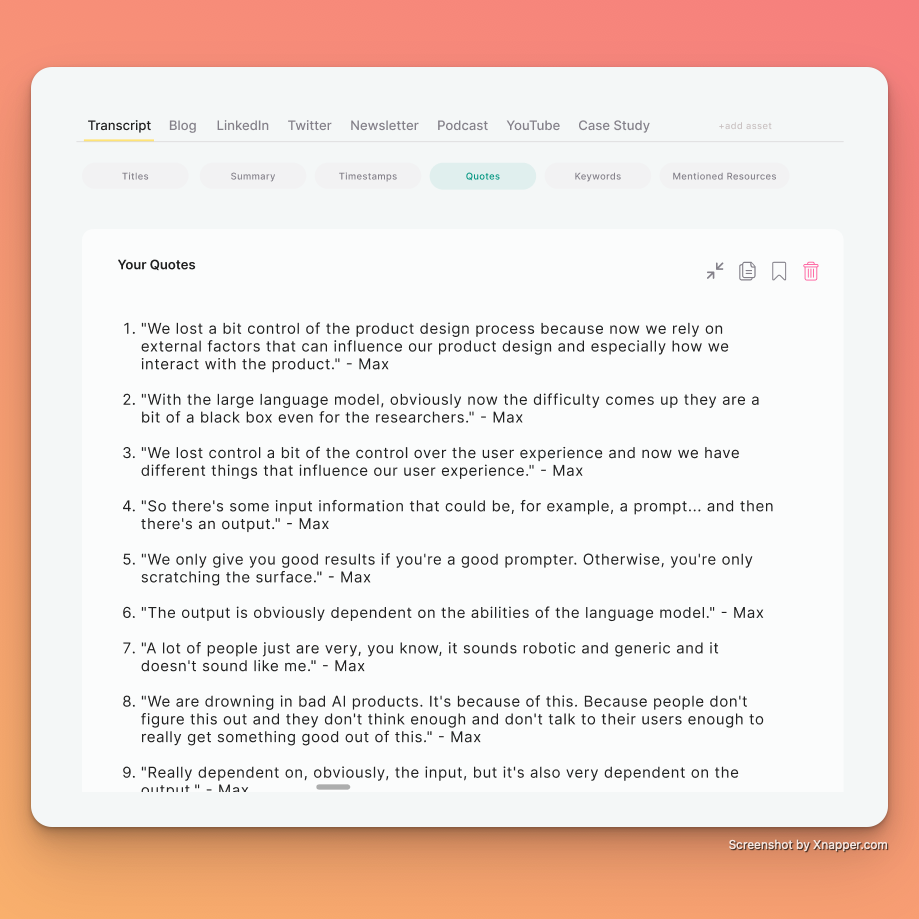
An ultra-powerful AI writer
Summarise, extend, shorten and whatever you can imagine with our powerful AI editor. You can work with your content with maximum efficiency and full collaboration.
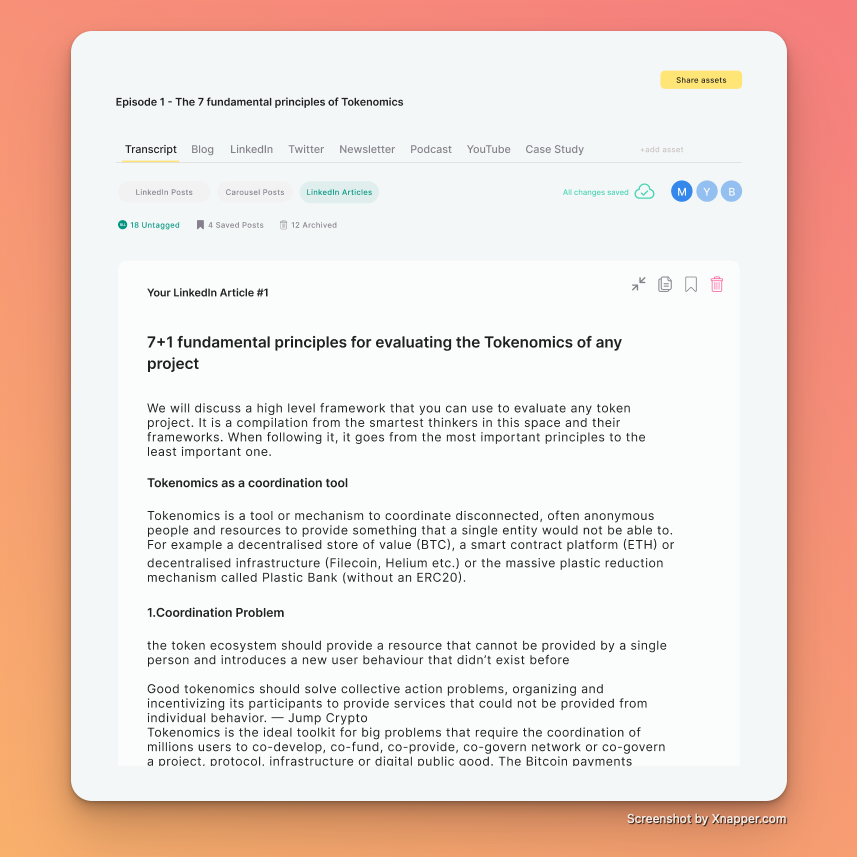
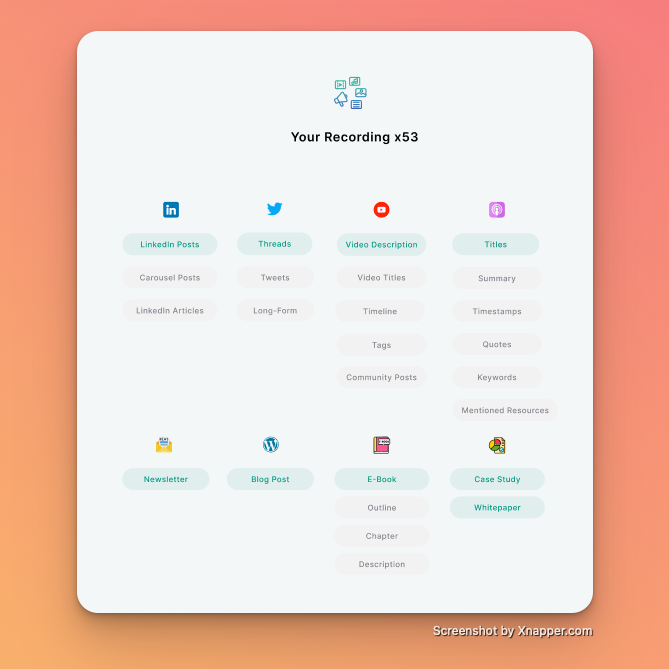
32 different output formats
With Unifire, you can turn and repurpose anything into anything. One audio recording can become an e-book, 40 LinkedIn posts, an email newsletter, a lead magnet, or every Twitter asset with one click of a button.
Build for your entire team
Unifire comes with unlimited team members, workspaces, collaborative live editing and double backups for all your content.
Upload any formats you can imagine
You can feed Unifire audio recordings, videos, webinars, transcripts, documents and PDFs. Everything can be repurposed.