
Translate Korean Audio To English
Why Translate Korean Audio To English is so hard to get right
Translate Korean Audio To English presents a unique set of challenges that make the task particularly difficult. One of the primary reasons is the inherent complexity of both Korean and English languages, which feature distinct grammatical structures, idiomatic expressions, and cultural nuances that may not have direct counterparts in the other language. Additionally, Korean audio often includes context-specific references, dialect variations, and informal speech patterns that can further complicate the translation process. The accurate transcription of spoken Korean—especially when considering factors like intonation, emotion, and contextual meaning—requires not only a deep understanding of the language but also an ability to interpret the subtleties of spoken communication. Furthermore, the technical aspects of audio files, such as background noise, overlapping dialogues, or accents, can hinder the clarity of the spoken content, making it even harder to produce a faithful English translation. The combination of linguistic intricacies, cultural contexts, and technical difficulties makes translating Korean audio to English a daunting task that demands skilled bilingual proficiency and an acute awareness of both cultural backgrounds.
How Translate Korean Audio To English works
Unifire is an innovative tool that users can utilize to translate Korean audio to English effortlessly. With its advanced text generation capabilities, users can easily convert spoken Korean dialogue into written English text, making it an invaluable resource for language learners, educators, and content creators. This functionality allows individuals to comprehend and engage with Korean audio content, whether it’s a podcast, a lecture, or a video, and translate it accurately into English. By providing a seamless translation process, Unifire empowers users to bridge language barriers, facilitating better communication and understanding across cultures. Whether for personal enrichment or professional use, the ability to translate Korean audio to English with Unifire opens up a world of possibilities for effective language engagement.
Users utilize the functionality to “Translate Korean Audio To English” primarily to bridge the language gap that exists when engaging with Korean audio content, whether it be in the form of music, podcasts, or spoken dialogues in film and television. This capability is particularly valuable for non-Korean speakers who wish to understand and appreciate the nuances of Korean culture, entertainment, and information. By converting spoken Korean into English text, users can gain access to a wealth of knowledge and enjoyment that would otherwise be inaccessible due to language barriers. Moreover, this functionality enhances comprehension and retention of the material, allowing users to follow along more easily and engage in discussions or analyses about the content. In an increasingly globalized world, the ability to translate audio not only fosters inclusivity but also promotes cross-cultural communication, making it essential for learners, enthusiasts, and professionals seeking to connect with Korean media and language.
Unifire combines transcription, translation and AI content generation
Unifire combines a beautiful AI writer with the best transcription service, translation workflows and AI content templates. Start with Translate Korean Audio To English and level up with Unifire.ai
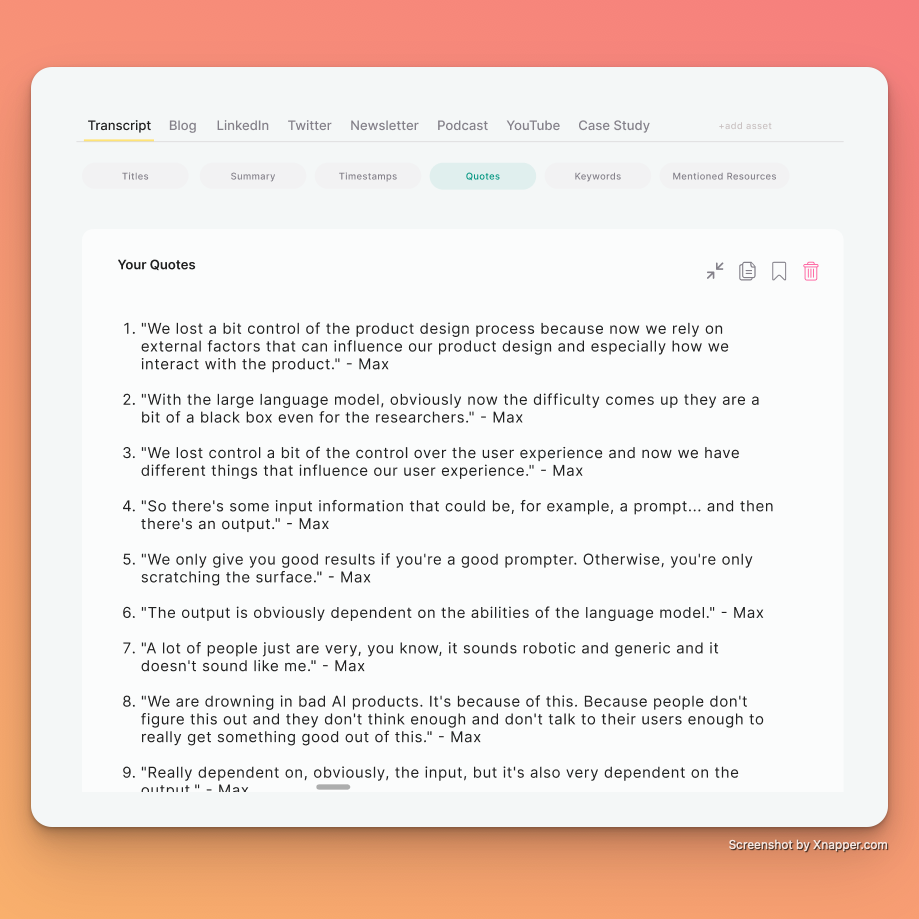
An ultra-powerful AI writer
Summarise, extend, shorten and whatever you can imagine with our powerful AI editor. You can work with your content with maximum efficiency and full collaboration.
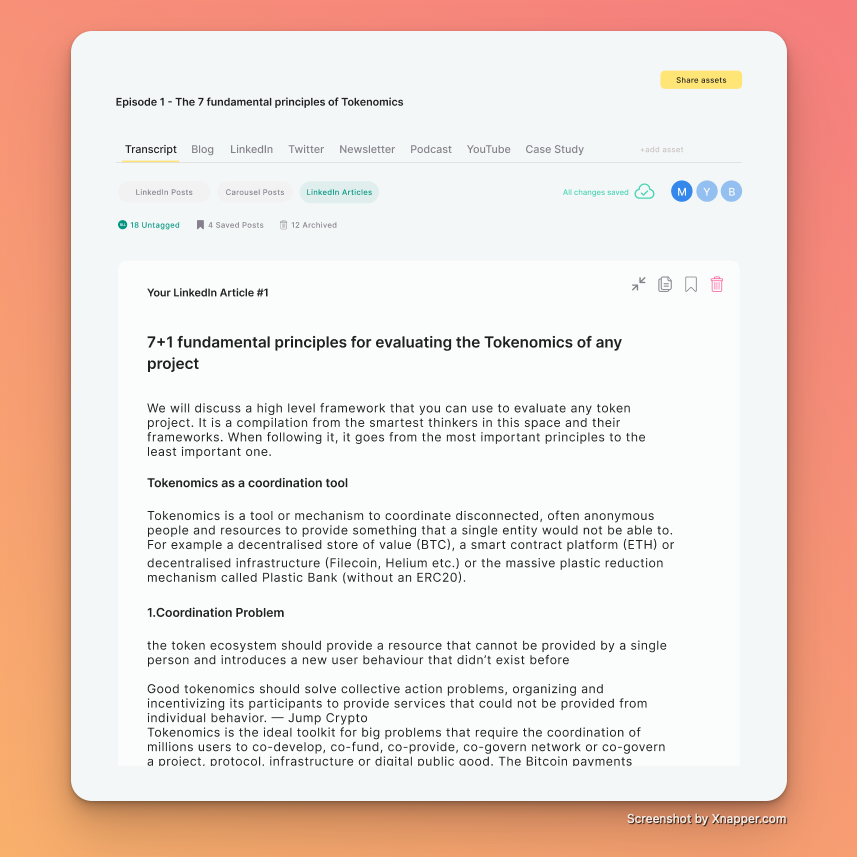
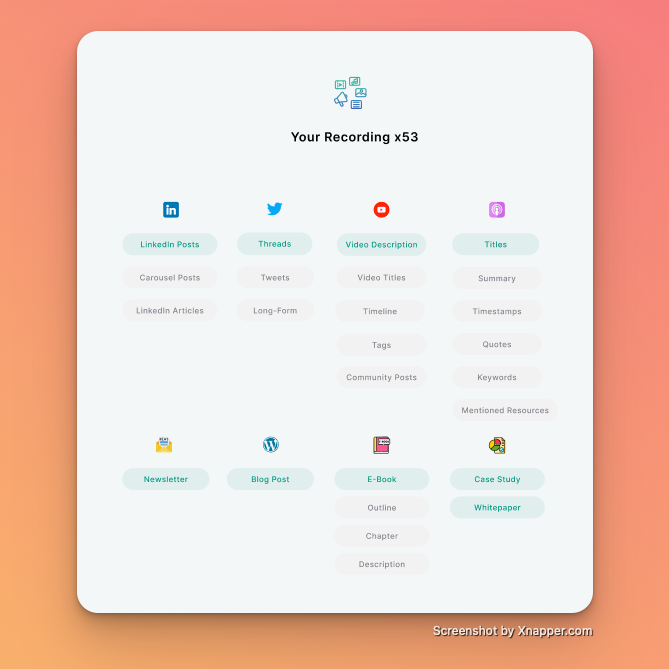
32 different output formats
With Unifire, you can turn and repurpose anything into anything. One audio recording can become an e-book, 40 LinkedIn posts, an email newsletter, a lead magnet, or every Twitter asset with one click of a button.
Build for your entire team
Unifire comes with unlimited team members, workspaces, collaborative live editing and double backups for all your content.
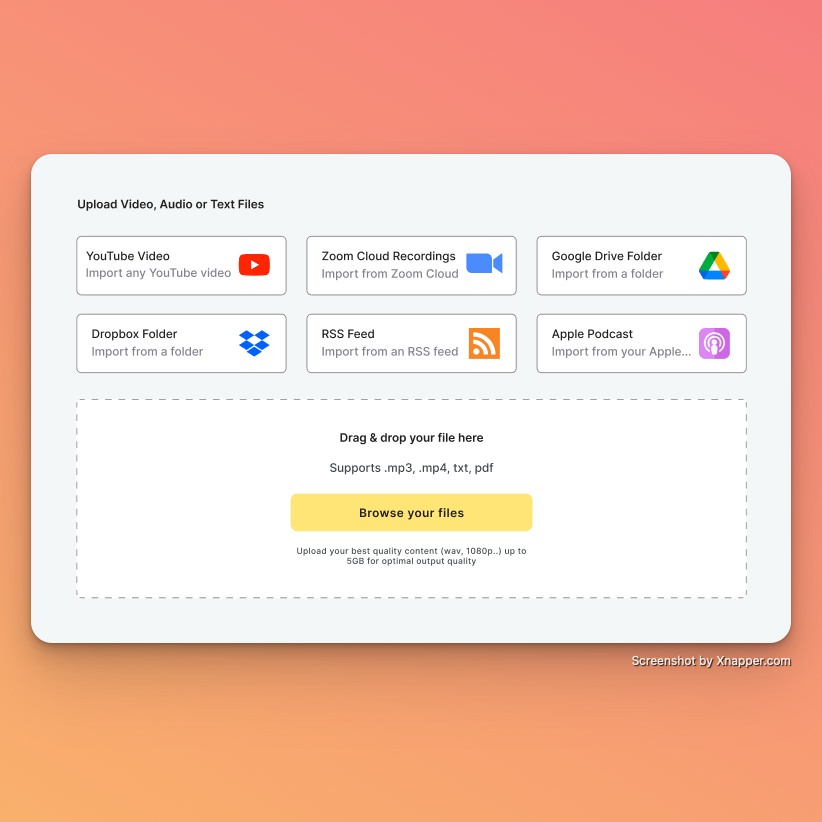
Upload any formats you can imagine
You can feed Unifire audio recordings, videos, webinars, transcripts, documents and PDFs. Everything can be repurposed.